

Abu Dhabi offers sunshine in every season, but the best time to visit Abu Dhabi depends on what you want to do. A January morning might be ideal for Sheikh Zayed Grand Mosque, a long walk along the Corniche and a desert excursion after lunch. The same outdoor-heavy plan in August would expose you to intense heat and humidity. Yet summer can still suit visitors who want a resort holiday, museums and the air-conditioned theme parks of Yas Island.
For most first-time travellers, November to March is the most comfortable all-round period. The weather generally supports beaches, outdoor sightseeing, mangrove kayaking and desert trips. October and April can also work, particularly for beach-focused visitors who can avoid the hottest part of the day. Between June and September, a successful itinerary becomes much more dependent on indoor attractions, shaded facilities and sensible transport.
But temperature is only one piece of the puzzle. The Formula 1 Abu Dhabi Grand Prix brings exceptional demand to Yas Island in December. Saadiyat has different beach-access options and a protected coastline. The distant Liwa Desert feels better in cooler weather, and winter festivals have specific opening dates. This Abu Dhabi weather-by-month and travel seasons guide combines climate, beach conditions, prices, festivals, family activities and ticket-planning advice so you can choose dates that match your holiday.
Last fact-check: 28 October 2026. Official tourism and event sources are linked where details change by season. Climate descriptions are general patterns, not forecasts. Before booking, check current weather, venue schedules, government travel advice and your actual ticket conditions.
Best time to visit Abu Dhabi: the short answer
| Travel goal | Best months to consider | Main advantage | Important qualification |
|---|---|---|---|
| First visit and outdoor sightseeing | November–March | Comfortable days for the mosque, Corniche, heritage sites and waterfront walks | Popular hotels and event dates can cost more |
| Saadiyat and Corniche beaches | October–November and March–April | Warm beach conditions, with different water temperatures from midwinter | October and April can still be hot at midday |
| Liwa Desert and outdoor safaris | November–March | More comfortable dune stops, overnight camping and open-air sightseeing | Desert evenings can be cool; remote journeys need planning |
| Mangrove kayaking and nature | November–March | Better conditions for active outdoor time | Tides, wind and operator rules matter more than the month alone |
| Yas Island indoor theme parks | Year-round | Indoor rides and exhibits make summer visits possible | Ride closures, family heights and transport are still relevant |
| Hotel value and a mainly indoor trip | May–September | Lower-season resort offers may be available | Very hot outdoor conditions and possible high humidity |
| Formula 1 and winter festivals | Late October–March, event-dependent | Published festivals and major sporting events | Book around confirmed event dates, not a generic annual assumption |
Abu Dhabi's official tourism organisation describes October to March as its autumn and winter travel period and identifies winter as a particularly good time for outdoor activities. The Abu Dhabi Residents Office describes November to March as the cooler season and June to September as generally extremely hot and humid. These official descriptions explain why you can visit all year but should not expect the same type of holiday every month.
What is Abu Dhabi's climate really like?
Abu Dhabi has a hot desert climate. It is sunny for much of the year, with relatively limited rain, but the temperature changes greatly between the cooler months and summer. In winter, daytime conditions may be mild to warm, with cooler evenings. In summer, daytime highs are commonly around the upper 30s to low 40s Celsius and can go higher. Coastal humidity often makes the heat feel more oppressive than a simple thermometer reading suggests.
Official sources use slightly different periods and statistics. Experience Abu Dhabi's climate overview describes average winter daytime conditions around 25°C and extremely hot summer days that may approach or exceed 45°C. Its more detailed summer planning guide places typical daytime highs around 38–41°C from June to August. Those figures are not contradictory: a typical high and an extreme hot day are different measurements.
Another useful difference is city, coast and desert. The Corniche and Saadiyat sit close to the Gulf, where humidity and sea breeze affect how the weather feels. Inland desert trips may involve stronger sun, open terrain and cooler conditions after sunset in winter. A beach forecast is not a substitute for checking the weather for Liwa or Al Ain, and the conditions at your hotel pool may feel very different from those on an exposed walking route.
Winter is not cold in the usual northern-European sense. It is simply the period when walking, outdoor dining, beaches and desert experiences become easier to combine. Summer does not mean every attraction closes; it means the itinerary should shift towards air-conditioned venues and shorter outdoor periods. Weather planning is therefore about choosing the right experiences for the season, not treating entire months as automatically good or bad.
Abu Dhabi weather month by month: January to December
Use this calendar to choose a holiday style before you look at exact hotel and ticket prices. These are seasonal patterns rather than guarantees of a particular day's temperature. Check a live forecast and the operating calendar for your main activities before travelling.
| Month | What to expect | Best holiday activities | Planning caution |
|---|---|---|---|
| January | One of the mildest months, with pleasant days and cooler evenings | Grand Mosque, Corniche walks, museums, desert outings | Take a layer for desert evenings; sea may feel cool to some swimmers |
| February | Comfortable daytime weather; occasional cooler or breezy periods | Al Ain, mangroves, palace visits and beach walks | Check tides for kayaking and any religious-holiday schedule |
| March | Warmer days, generally very appealing for a mixed itinerary | Saadiyat beaches, city sightseeing, outdoor nature | Sun exposure increases; respect protected coastal habitats |
| April | Hotter afternoons, with many warm beach days | Pool and beach time, museums and early outdoor visits | Move exposed activities to morning or late afternoon |
| May | Transition towards intense summer heat | Resorts, indoor attractions and carefully timed walks | Desert afternoons may become uncomfortable |
| June | Very hot with strong sun; humidity can become significant | SeaWorld, Warner Bros. World, museums and shaded hotel time | Do not plan prolonged outdoor sightseeing at midday |
| July | Among the most demanding months for being outdoors | Indoor museums, malls and climate-controlled theme parks | Heat stress and outdoor transfer times matter |
| August | Very hot, often humid near the coast | Indoor-led family holiday and resort facilities | Swimming does not eliminate heat or sun risk |
| September | Summer heat often continues despite the calendar turning to autumn | Museums, Yas Island attractions and late-evening activities | Do not assume a cool season has already started |
| October | Gradually cooling, but often hot during daytime | Warm beach breaks and evening outdoor events | Early October can be too hot for lengthy walking tours |
| November | Warm, generally more comfortable outdoor conditions | Beach and culture combination, desert and mangroves | Winter demand and events begin to build |
| December | Mild days, cooler evenings and a busy event calendar | Formula 1, Liwa, festivals, outdoor dining and sightseeing | Race-week hotel rates and crowding can be significant |
Which month is most versatile? November and March are excellent starting points for many visitors, offering an attractive balance between sunshine and outdoor comfort. December, January and February are particularly strong for extensive sightseeing and desert excursions, though some people may prefer warmer seawater than they find in midwinter. October and April suit travellers who tolerate hotter afternoons.
Do not interpret this calendar as a precise forecast. Abu Dhabi can have occasional rain, wind, dust, reduced visibility or unexpected heat in a usually comfortable month. The UAE National Center of Meteorology is a useful source for current weather information when your dates are near.
Winter in Abu Dhabi: December, January and February
Winter is when Abu Dhabi's cultural, coastal and desert attractions fit together most easily. You can start at Sheikh Zayed Grand Mosque, spend an afternoon at Qasr Al Watan or a Saadiyat museum, then finish with an outdoor dinner or waterfront stroll without needing to plan the entire day around heat avoidance. Longer walks and open-air activities become practical in a way they often are not in midsummer.
This is also a lovely period to explore the city beyond a checklist of famous buildings. The Corniche offers walking and cycling areas beside the Gulf, while Saadiyat gives a beach-and-culture combination. Travellers who like nature can consider licensed kayaking tours in the mangroves. Farther afield, Al Ain's oasis and cultural landscapes can reward an unhurried visit, especially if you are willing to devote a whole day to the journey.
For desert lovers, winter is usually the strongest season for a guided Liwa Desert excursion or a shorter Abu Dhabi sunset desert safari. Desert evenings can feel noticeably cooler than the daytime city, so bring a light layer. Do not confuse a half-day desert camp experience near the city with the much more remote Liwa region: their travel time, intensity and scenery can differ substantially.
Winter is also a popular time for conferences, family holidays and events. December in particular has the Formula 1 race and major festivals, so high-demand hotels around Yas Island may sell out or become expensive. If you want a peaceful beach resort rather than racing and nightlife, compare both location and dates before booking.
Best winter strategy: use morning and afternoon for the outdoor experiences that brought you to Abu Dhabi; reserve timed tickets in advance for the places that matter most; and leave space for a slower meal or a scenic waterfront stop. The capital is spread out, so two thoughtfully chosen experiences can make a better day than five disconnected photo stops.
Spring in Abu Dhabi: March, April and May
Spring is the transition between mild winter and the intense summer. March can be a particularly good month for a balanced holiday. A beach morning on Saadiyat, a museum after lunch and an evening by the water often work well. It can also be a good period for kayaking and nature visits, provided tides and weather cooperate.
By April, stronger afternoon heat becomes more noticeable. You may still enjoy the beach and swimming, but start long outdoor walks early. The best sightseeing programme could be Sheikh Zayed Grand Mosque in a comfortable morning window, followed by an air-conditioned museum, then a late waterfront dinner. Remember that the mosque is a functioning place of worship and its visitor hours or entry procedures can change around religious observances.
May is much closer to summer. This does not mean the city becomes impossible to visit; it means your priorities should change. Hotel pools, museums, covered entertainment and shaded resort areas become more valuable. A remote desert trip is far less appealing in the midday heat than it was in January. If you have fixed May dates, choose a hotel close to your main attractions rather than wasting time in long transfers.
Saadiyat's coastline has a special environmental dimension during spring. Official tourism material identifies hawksbill turtle nesting between approximately March and June on protected parts of the island's beaches. This is not a wildlife encounter to seek out, photograph at close range or treat as a guaranteed sighting. Stay on designated paths, observe beach restrictions, respect closures and leave all nesting areas undisturbed.
Spring can offer a practical compromise for couples who want both pool time and cultural sightseeing. The right hotel, with indoor facilities and easy transport, matters more as temperatures rise. Compare the whole day's conditions rather than choosing a month simply because the calendar calls it spring.
Summer in Abu Dhabi: is June, July or August worth visiting?
The most important summer planning fact is straightforward: Abu Dhabi is extremely hot from June to September. The official tourism authority describes typical summer highs around 38–42°C, while some days can be hotter and coastal humidity can make the air feel oppressive. Heat stress is a real consideration, especially for families with small children, older travellers and anyone unfamiliar with the climate.
That does not make a summer holiday pointless. Abu Dhabi has major air-conditioned museums and indoor attractions, and hotels sometimes offer attractive promotions. What changes is the itinerary. Instead of packing the day with beaches, long city walks, desert trips and mangrove paddling, choose one substantial indoor venue, allow for comfortable transport and enjoy the hotel facilities during the hotter periods.
Saadiyat Island is especially useful in summer because it combines museums with resorts. Consider Louvre Abu Dhabi, Zayed National Museum or Natural History Museum Abu Dhabi, depending on your group's interests and the venue's current opening calendar. These are separate attractions and tickets; one admission should never be assumed to cover every institution in the district.
Yas Island provides another strong summer itinerary. Warner Bros. World Abu Dhabi and SeaWorld Abu Dhabi are fully indoor environments, while Ferrari World is predominantly indoors. They can fill much of a day without sustained outdoor heat exposure. Yas Waterworld is an outdoor waterpark; its pools and slides are designed for water fun, but visitors still need to manage strong sunshine, ride availability and heat. Our comparison of the four Yas Island theme parks helps you choose by age, interests and ticket conditions.
A summer schedule might start with breakfast, move to an indoor museum or theme park for most of the day, and include a pool session or waterfront meal only when conditions are suitable. The fact that the sun sets is not a guarantee that a humid evening will feel cool. Check the actual forecast and avoid strenuous activity during extreme heat warnings.
Some hotels discount rooms in the off-season. Experience Abu Dhabi's summer information even describes examples of substantial rate reductions for Saadiyat and Yas Island properties. But discounts are not guaranteed across every hotel, date or room category. Compare the real price of the complete holiday, including transport, meals, admission, child facilities and cancellation terms. A cheaper five-star hotel may be good value if you want the hotel itself to be a central part of the trip.
Best summer strategy: travel for the resort, museums and indoor entertainment rather than expecting a typical winter outdoor holiday at a lower price. The trip can work beautifully when the activities are deliberately chosen for the season.
Autumn in Abu Dhabi: September, October and November
Autumn does not arrive all at once. September can still feel like midsummer, with hot days and noticeable humidity. Visitors expecting to spend long afternoons outdoors simply because summer has ended may be disappointed. Indoor-led days and later activities remain sensible.
October is a transition month, with seasonal events beginning to return as conditions become more favourable. It may offer attractive beach weather for travellers who like warmth, but the middle of the day can still be hot. A sensible October itinerary could be a short early walk, pool or beach time with shade, a museum during the hottest hours, and an outdoor dinner later in the day. Late October will often feel more comfortable than early October, though weather varies each year.
November is one of our strongest recommendations for a first visit. It offers a useful combination of warm beach days, more manageable sightseeing and improving conditions for the desert. The winter events calendar begins to become more active, but you are not forced into the busiest December race-week dates.
If you are travelling with children, November is particularly convenient for combining a park day on Yas Island with a separate outdoor day on Saadiyat or in the city. Adults can visit cultural landmarks without feeling they have spent the entire holiday travelling between air-conditioned interiors. As demand increases, however, begin comparing hotel prices earlier.
Best time for Saadiyat Beach, Kai Beach and the Corniche
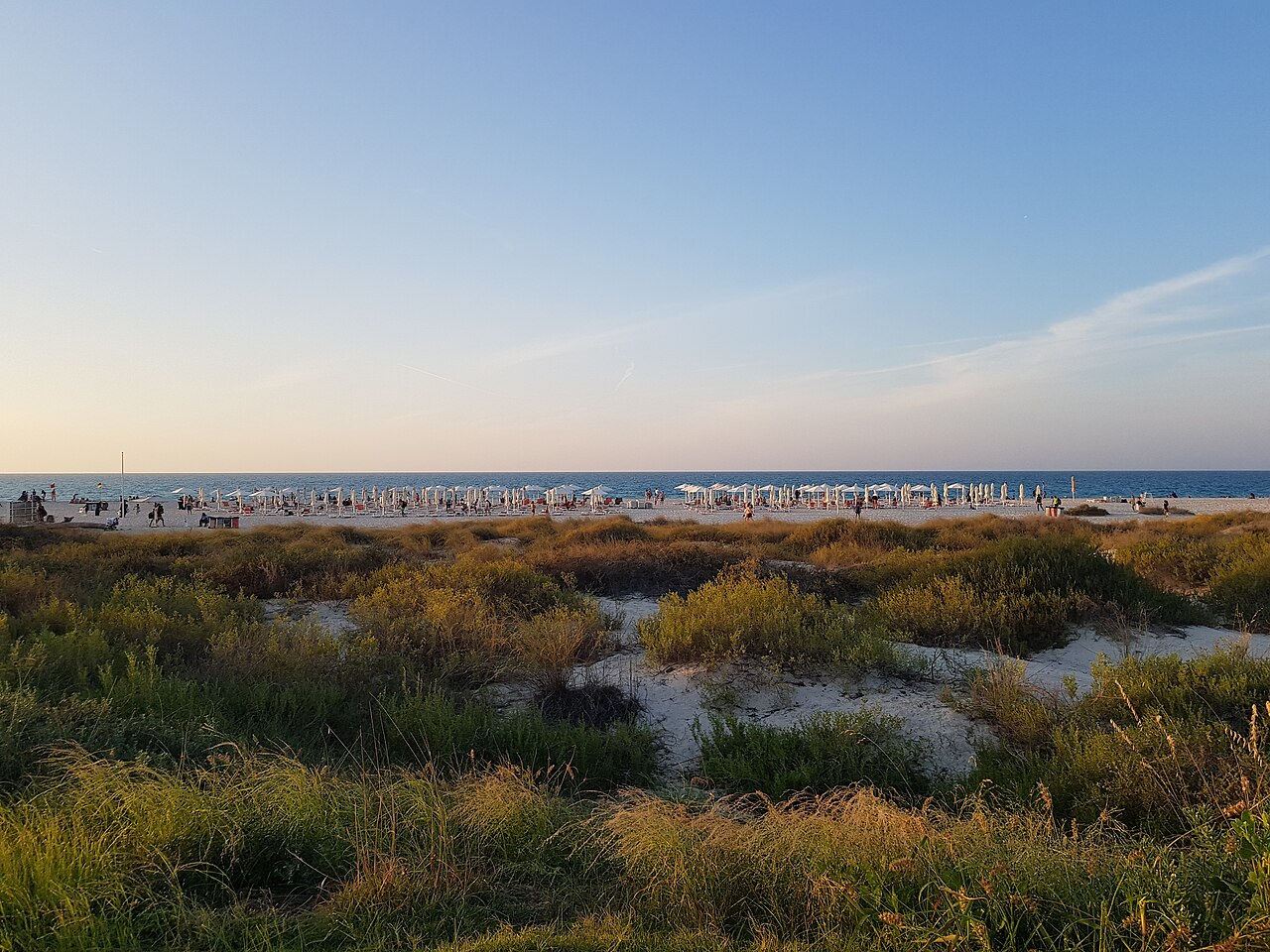
Abu Dhabi's beaches are one of its strongest reasons for a winter-sun or spring holiday. But the ideal beach month depends on whether you prioritise warm seawater, comfortable air temperature or quiet resort time. Winter days can be excellent for sunbathing and coastal walks, while the water may feel cool to visitors who prefer very warm swimming conditions. In autumn, the sea retains more summer heat, but the air can be hotter too.
November and March are attractive all-round months for couples wanting a mix of beach time and sightseeing. October and April suit those who prefer warmer water and do not mind planning around hot afternoons. December through February are strong for beach walks, outdoor restaurants and resorts, even if some swimmers prefer a heated pool to longer sea sessions.
The location matters. Saadiyat Island is associated with white-sand beaches, nature protection and premium resorts. Kai Beach, Saadiyat Beach Club and hotel beachfronts have different admission, dining and facility rules. Our Kai Beach day-pass listing, Mamsha Beach day pass and Saadiyat Beach Club pass are distinct products. Never assume one pass provides access to all beaches or that every coastal area is free.
Corniche Beach is more urban, with a promenade, landscaped space and different beach sections. Some public access is free, while designated family or facility areas may charge. The official Abu Dhabi beaches guide explains the different areas and the importance of checking the actual venue. Beach fees and terms can change, so read current conditions before arriving.
Saadiyat is also home to protected hawksbill turtle nesting habitat. Do not step into marked protected areas, disturb animals, use bright lights to search for turtles or cross access barriers. The tourism authority describes the beach's conservation measures and seasonal nesting; respecting them is part of responsible beach travel. The possibility of seeing wildlife is not guaranteed.
In the hottest summer months, treat beach time as a carefully managed activity rather than a full-day sunbathing plan. Choose shade, check lifeguard flags and water conditions, supervise children closely and take proper cooling breaks. Warm seawater does not remove the risk of dehydration or heat stress.
Best time for the Liwa Desert and Abu Dhabi desert safaris
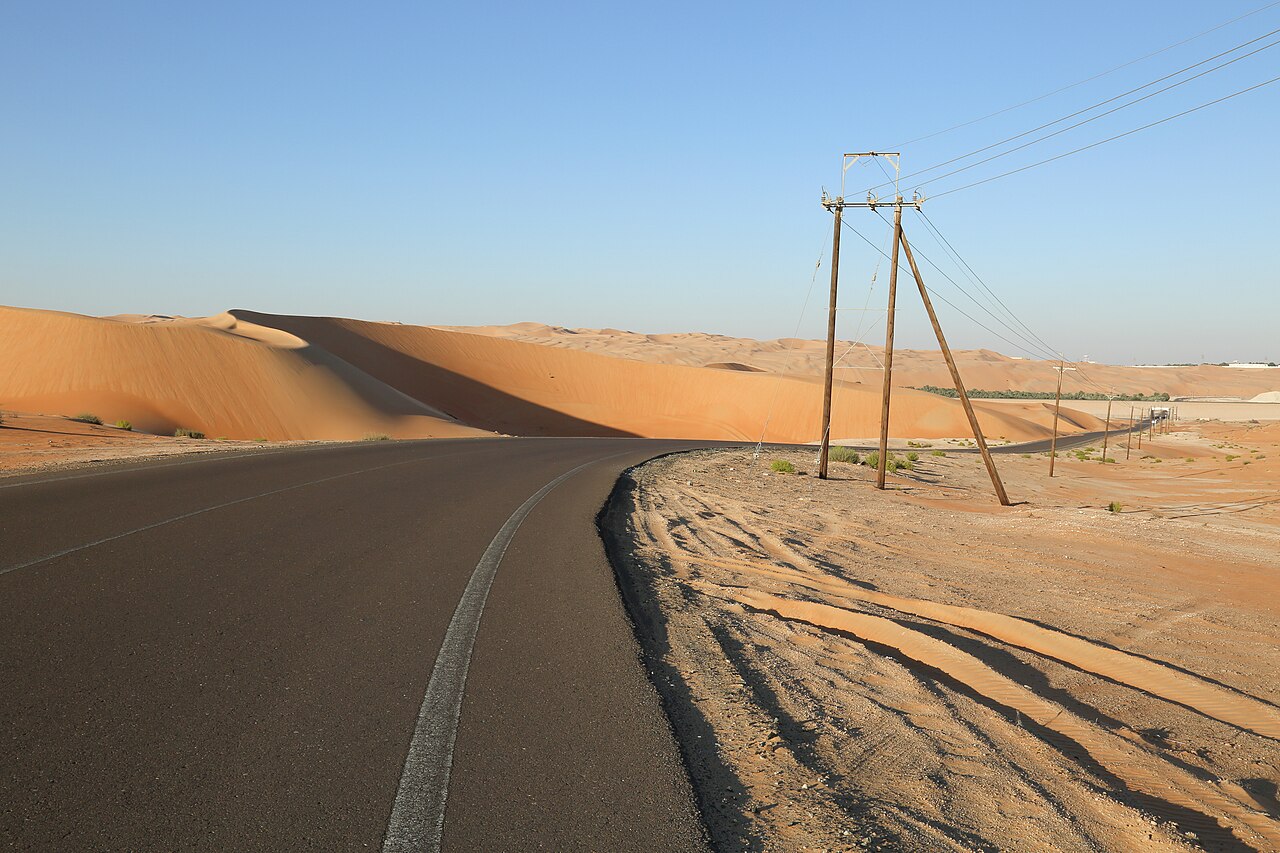
The desert is one of Abu Dhabi's defining landscapes, and its season matters. November through March generally offers the most comfortable conditions for dune excursions, open-air stops and overnight experiences. Temperatures can still vary sharply between daytime and the evening, so bring suitable layers, water and secure footwear.
There are different desert experiences. A sunset safari with a camp programme may suit visitors who have one afternoon available and want a traditional excursion. A guided Liwa Desert tour is a different proposition: the Liwa Oasis and surrounding dunes are deep in Al Dhafra, a substantial road journey from the city, and require more time and planning. An excursion labelled “desert safari” does not tell you exactly which region it visits.
In winter, Liwa's spectacular landscape can be a rewarding reason to leave the city. The Empty Quarter contains immense dunes, remote roads and places where professional navigation and a suitable vehicle matter. Do not treat a self-drive desert detour as a casual afternoon route. If you are unfamiliar with desert travel, choose a qualified operator with clear pickup arrangements and appropriate safety procedures.
Be aware of physical restrictions. Some dune-bashing programmes involve sudden jolts and may not be appropriate for people with certain back or neck conditions, pregnant travellers, or younger children. A quieter landscape or nature excursion may be preferable to an adrenaline-focused dune drive. Check the exact activity, not a generic promotional description.
During June to September, strong heat is an important reason to reconsider long outdoor desert visits. An early departure does not guarantee that a remote trip will be comfortable for everyone. Follow the supplier's seasonal schedule and current safety guidance rather than assuming an attraction is suitable just because it can be booked online.
When should you go kayaking in Abu Dhabi's mangroves?
Abu Dhabi's mangroves offer an experience very different from either the beach or the desert. Kayaking through protected waterways can reveal quiet coastal ecosystems within reach of the city. The cooler months—generally November through March—are attractive because paddling is a physical outdoor activity, and the combination of sun, humidity and exertion is much harder to manage in summer.
The most important technical detail is the tide. Experience Abu Dhabi's Mangrove National Park guide notes that higher tide can make kayaking more practical and advises following a guide if conditions are unfamiliar. The correct date and start time are therefore not determined by air temperature alone. Wind, local access rules and the operator's environmental procedures also matter.
Travel with a responsible outfitter, wear the required life jacket and follow routes designed to protect the sensitive habitat. A quiet paddle is not an invitation to step into root systems, approach wildlife or leave litter. If your family prefers walking to kayaking, a designated mangrove boardwalk may be more suitable, but verify opening conditions and access for the specific location.
In summer, do not assume that an evening paddle will always be pleasant or safe. Water activities should follow the actual weather, tide and operator advice. The best experience is the one that leaves enough time for nature rather than forcing an activity into a day when conditions are poor.
Yas Island theme parks: which season works best?
Yas Island is useful because its major parks have different relationships with the weather. Warner Bros. World Abu Dhabi and SeaWorld Abu Dhabi are fully indoors, and Ferrari World is predominantly indoors. Those attractions can make a summer family holiday viable when long outdoor touring is unattractive. But an indoor setting does not guarantee that every ride is suitable for your child or that every attraction will be open.
Yas Waterworld is an outdoor waterpark, so it is affected more directly by sunlight, wind and temperature. You may enjoy it in the cooler season, during the spring transition or in summer if you can manage heat and follow safety rules. The best month is partly about personal comfort and whether swimming, rather than museums or roller coasters, is your group's main priority.
Our detailed Yas Island comparison explains who each park suits, height and ride issues, transport and ticket options. For specific admission, compare Ferrari World, Warner Bros. World, SeaWorld Abu Dhabi and the Yas Island multi-park pass. Admission and shuttle inclusions vary by product and date.
Winter is often the easiest period to combine one park with outdoor time at Yas Bay or another island venue. In summer, plan to spend more time inside the park itself and choose the quickest practical transfer. Travelling from central Abu Dhabi or from Dubai can add substantial time to a day, regardless of season.
Best season for Sheikh Zayed Grand Mosque, Louvre Abu Dhabi and Qasr Al Watan
Abu Dhabi's landmarks are rewarding in any month, but the experience around them changes. Winter gives visitors the freedom to linger outside, appreciate the Grand Mosque's courtyards and combine a palace or museum with an evening waterfront walk. In midsummer, the same itinerary should be arranged around visitor access, covered spaces and efficient transport.
Sheikh Zayed Grand Mosque is a functioning religious site, not simply a photo viewpoint. Its visitor procedures, dress code and opening patterns may vary, especially around Ramadan and religious events. The official Grand Mosque visitor booking and information service provides current arrangements. Visitors must respect modest dress requirements; women's hair coverage and loose, sufficiently covering clothing are particularly important. Do not assume a city-tour ticket is automatically a paid mosque admission or a private guided experience.
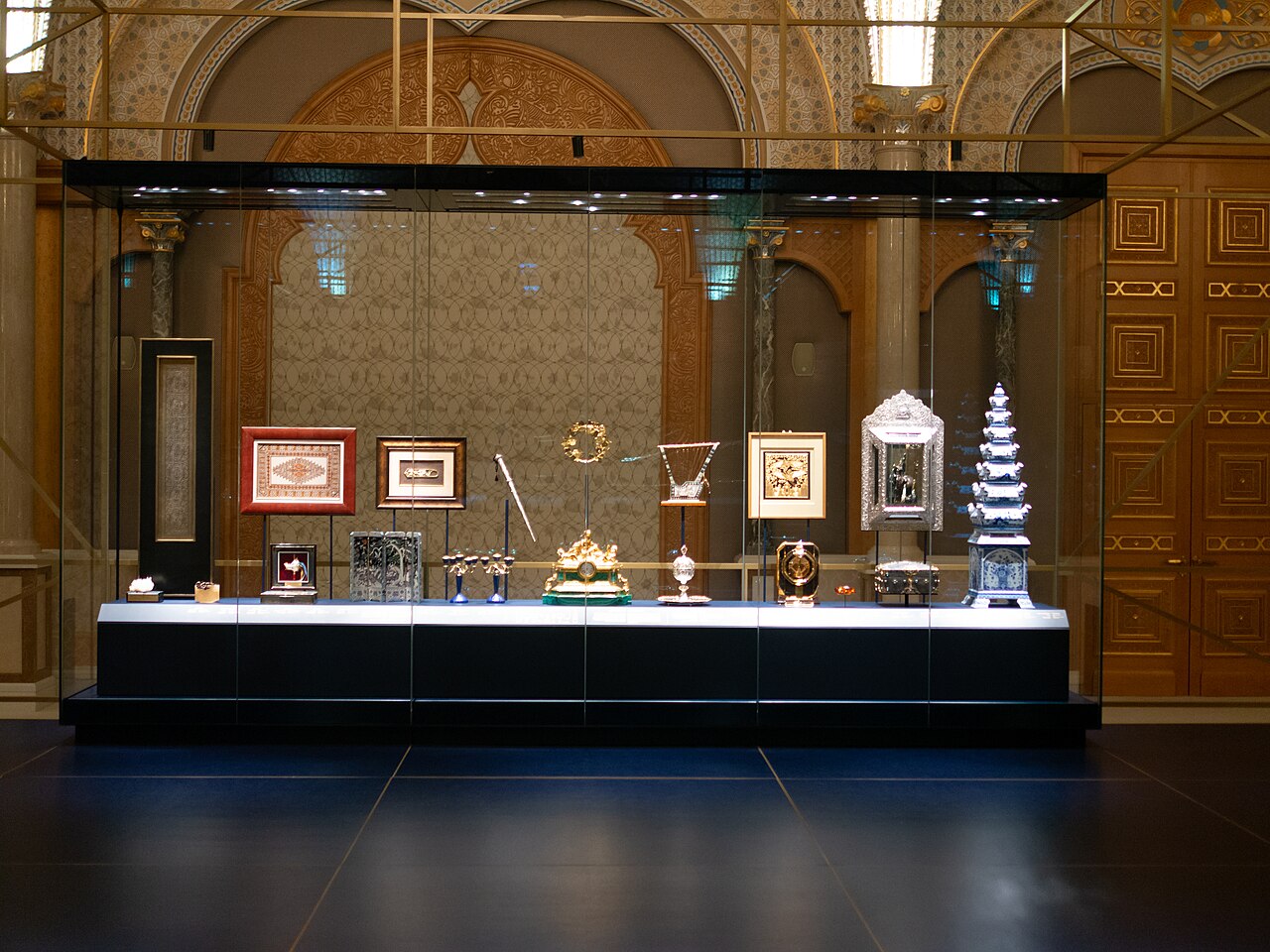
Louvre Abu Dhabi combines museum galleries with the architecture of its vast dome on Saadiyat Island. It is attractive year-round and a sensible option during a hot afternoon. The Louvre Abu Dhabi entry ticket is a standalone admission, while a Louvre and Abu Dhabi city tour offers a different itinerary. Review opening days, access and any guided-tour inclusions before paying.
Qasr Al Watan is another excellent architecture-focused experience, with impressive indoor halls and visitor areas. The Qasr Al Watan palace ticket is a distinct product, not the same as Qasr Al Hosn or a museum pass for Saadiyat. In summer it is still useful, but allow time for the outdoor approaches and verify any restrictions or closures related to official functions.
Zayed National Museum and Natural History Museum Abu Dhabi create additional reasons to stay on Saadiyat even when the weather is hot. They are distinct institutions with different collections and ticket conditions. Choosing one museum that aligns with your interests can be more rewarding than trying to rush through every venue in a single day.
Abu Dhabi's seasonal events: what is happening in winter 2026/27?
For an article about when to visit Abu Dhabi, the winter events calendar matters almost as much as the weather. A trip that coincides with Formula 1 can be exciting for motorsport fans but may be an expensive surprise to a family seeking a quiet resort break. Conversely, timing a trip for a cultural festival can add a dimension that is unavailable in summer.
Formula 1 Abu Dhabi Grand Prix — 4–6 December 2026
The official Formula 1 calendar lists the 2026 Abu Dhabi race weekend for 4–6 December 2026, with the Grand Prix on 6 December. The event organiser also describes associated programmes beginning on 3 December. Race week brings visitors to Yas Marina Circuit, and demand for Yas Island hotels and transfers can rise sharply.
If you want to attend, reserve the appropriate event ticket and accommodation early. If you have no interest in racing and want to stay near Yas Island, compare dates outside the event window. Do not confuse a generic Yas Marina Circuit driving experience or theme-park ticket with admission to the Formula 1 race.
Liwa International Festival — 11 December 2026 to 2 January 2027
According to the official Liwa International Festival page, the 2026/27 programme runs from 11 December 2026 to 2 January 2027. It brings desert motorsport, family activities, concerts and heritage experiences to Al Dhafra. The event is a compelling reason to travel beyond Abu Dhabi city, but its remote setting deserves its own transport plan and perhaps an overnight stay.
Festival tickets, individual attractions, camping and transport may have separate terms. Do not assume that simply booking a desert safari includes admission to Liwa's festival programme. The event changes each year, so these are 2026/27 dates, not permanent annual opening rules.
Sheikh Zayed Festival — 30 October 2026 to 14 March 2027
The Emirates News Agency announced that the Sheikh Zayed Festival 2026/27 begins on 30 October 2026 and continues through 14 March 2027. It takes place in the Al Wathba area and includes cultural, family, entertainment and heritage programming. For visitors interested in Emirati traditions and seasonal evening events, it can add value to an autumn or winter trip.
The festival is not the same site as Sheikh Zayed Grand Mosque. Travellers should check the correct address, event dates, opening hours and transport options; treating a mosque visit and a festival as interchangeable stops is an easy planning mistake.
Ramadan, UAE national celebrations and other events
Ramadan moves through the Gregorian calendar, so it will not fall in the same month each year. Religious observances may affect visitor hours, some tours and restaurant schedules, while evening cultural activity can be especially interesting. Check the exact year's calendar and respect the rules of religious sites.
Eid Al Etihad, the UAE's national celebration around 2 December, is another date that can bring events and demand. Concerts, exhibitions and cultural programmes vary annually. Use the official Experience Abu Dhabi event calendar for the week you plan to travel; never assume a recurring event has identical hours or ticket rules every year.
When are Abu Dhabi hotels cheaper?
Like many hot-climate destinations, Abu Dhabi often has a seasonal price pattern. Winter is attractive to leisure travellers and event visitors, while the summer months can offer promotional hotel rates. Experience Abu Dhabi specifically describes off-season deals for some Saadiyat and Yas Island properties. But a blanket statement that every August hotel is cheaper than every February hotel would be misleading.
Location and events matter. A luxury beachfront resort on Saadiyat, a business hotel in the centre and a family hotel on Yas Island serve different markets. Prices may change with school holidays, conferences, concert dates and Formula 1. December 2026 around the Grand Prix deserves especially close attention if you intend to stay near Yas Marina Circuit.
For a realistic budget, include the complete cost of each day: the room, meals, beach access, transfers, museum or park tickets and any extra activity fees. A cheaper hotel far from your main experiences may lead to more taxi journeys and lost holiday time. A premium Saadiyat property can be worthwhile for travellers who want to spend substantial time enjoying its beach and facilities rather than leaving the hotel every morning.
Summer savings also have a trade-off: you may save on the room while spending more time indoors and doing fewer of the outdoor activities that originally interested you. That is not necessarily bad value, but it should be a deliberate decision. If your primary goal is Liwa or kayaking, selecting winter dates could be worth a higher accommodation rate.
Compare refundable and non-refundable options carefully. Hotel and ticket conditions vary, particularly when events or peak holidays are involved. An offer with flexibility may be more useful than a small discount if your travel arrangements are not yet firm.
Abu Dhabi with children: choosing the season for a family trip
For many families, November to March is the easiest period. The weather supports a wider choice of activities, from public waterfronts and beaches to family attractions and desert outings. Children can spend some time outdoors without the same level of heat management required in July or August, although sun protection and hydration remain essential.
Winter is also useful for an itinerary that mixes education and entertainment. You might visit the Grand Mosque and a museum on one day, choose a Yas Island park on another, then leave an afternoon for a relaxed beach visit. There is no need to cram all the city's cultural landmarks into the same day; the capital's geography makes that tiring for adults as well as children.
Families visiting in summer should choose a hotel with practical indoor facilities and plan around climate-controlled venues. Warner Bros. World and SeaWorld can provide extensive indoor time, but ride age and height restrictions still apply. An outdoor waterpark is not automatically a complete solution to high air temperatures: shade, breaks and careful supervision are essential.
If you plan a desert trip, investigate the difference between an easy scenic drive and dune bashing, including child-seat arrangements and health restrictions. A tour that is suitable for an adventurous teenager may be inappropriate for a toddler. Check each product's actual terms rather than relying on broad descriptions such as “family-friendly”.
Best month to visit Abu Dhabi for different types of holiday
First-time visitors: November, February and March are strong starting points because they make it easier to combine the Grand Mosque, museums, beaches and an outdoor excursion. January is equally appealing for people who enjoy long walks and mild temperatures. December can be excellent but may be affected by race-week and festive demand.
Couples seeking beach resorts: consider November or March for a comfortable combination of beach and culture. October or April can work for couples who enjoy hotter conditions and prefer warmer seawater, provided they plan shaded midday breaks. If the hotel itself is the main attraction, summer promotions may also be worth examining.
Desert and nature enthusiasts: favour November through March. Liwa, Al Ain and mangrove kayaking require a different approach from visiting an indoor museum, and the weather should determine whether an outing is enjoyable and appropriate. Tide and wind forecasts add another layer for water-based nature activities.
Motorsport fans: the Formula 1 Abu Dhabi Grand Prix is a destination event, so the exact weekend takes priority over ordinary weather preferences. In 2026 that means 4–6 December for the official race weekend. Accommodation around Yas Island is a critical consideration.
Travellers looking for a quieter cultural break: January, February or March may suit visitors who prefer museums and walking without the race-week intensity of early December. A long summer museum holiday can also work if you intentionally minimise outdoor time.
Budget-oriented visitors: explore May through September deals if you genuinely want a resort and indoor-attraction holiday. If your ideal trip includes beaches, long open-air walks and the desert, consider the cooler season instead of chasing the lowest room price.
Three sample Abu Dhabi itineraries for different seasons
Five days in winter: November to February
Day 1: arrive, settle in and enjoy an easy Corniche walk or evening waterfront dinner. Day 2: visit Sheikh Zayed Grand Mosque and allow enough time for proper visitor access, then choose one additional cultural stop such as Qasr Al Watan. Day 3: explore Saadiyat and spend a substantial part of the day at Louvre Abu Dhabi, leaving space for the beach. Day 4: take a suitable desert safari or a properly organised nature excursion. Day 5: choose a Yas Island park, a mangrove activity or a final beach day based on your group's interests. This is the season when outdoor and indoor experiences fit together most naturally.
Five days in spring or autumn: March–April or October
Day 1: keep the arrival day easy and select a waterfront restaurant for later in the evening. Day 2: visit the Grand Mosque in a comfortable period and plan the hottest hours around indoor cultural venues. Day 3: spend the morning on Saadiyat Beach, then enjoy a museum. Day 4: choose a Yas Island park, with indoor options if daytime heat remains strong. Day 5: make a short nature or sightseeing excursion only if the forecast and operator schedule are suitable. October and April should not be treated as guaranteed mild-weather months.
Five days in summer: June to September
Day 1: choose accommodation near your main attractions and settle into indoor hotel facilities. Day 2: visit one Saadiyat museum, enjoy a relaxed meal and avoid unnecessary midday outdoor transfers. Day 3: devote a full day to an indoor Yas Island attraction. Day 4: combine another museum or Qasr Al Watan with resort or pool time, using shade and breaks where appropriate. Day 5: enjoy one flexible activity based on current weather before departure. Avoid treating an extensive desert trip or exposed kayaking session as a mandatory part of a summer holiday.
Practical seasonal planning: transport, clothing and forecasts
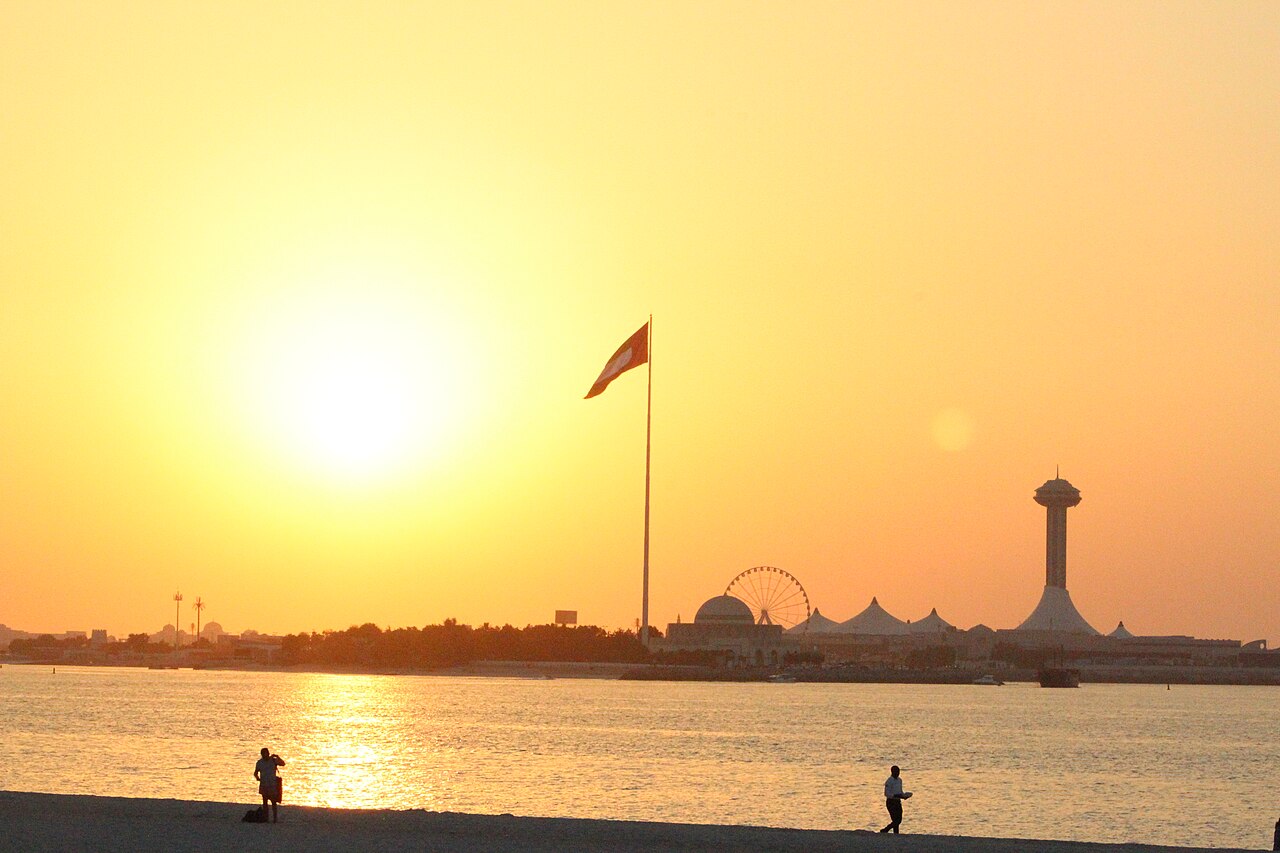
Abu Dhabi's important visitor areas are spread across the city and surrounding emirate. Saadiyat Island, Yas Island, the Corniche, the Grand Mosque and Liwa are different locations, so transport planning is a part of a comfortable itinerary. In summer, long walks to or from a bus stop can be more challenging than they appear on a map. During the winter events season, road congestion and event restrictions may also affect travel times.
For most sightseeing, a combination of taxis, organised tours, local buses and selected attraction shuttles is practical. Check any park shuttle's designated stop and timetable rather than assuming it collects from every hotel. If you plan to drive toward Al Ain or Liwa, account for the much longer journey, weather and road conditions. Children should have appropriate restraints, and everyone should wear seatbelts.
Clothing depends on both weather and venue. Lightweight, breathable clothing is useful in hot months; a light sweater can help in cool winter evenings and strongly air-conditioned buildings. Religious sites such as Sheikh Zayed Grand Mosque impose specific modest-dress rules that are not satisfied simply by wearing comfortable beach clothing. Review the official mosque visiting guidance before arrival.
Rain is usually limited but can occur, especially during the cooler part of the year. Rare heavy rainfall can disrupt roads and attractions, while dust, haze and wind affect both visibility and outdoor excursions. Sea conditions and lifeguard warnings matter at any time of year. Do not attempt to drive through flooded roads or continue a water activity against local safety advice.
Seasonal weather suitability and regional security conditions are different questions. Check official government travel advice and airline information before paying for an international trip, irrespective of whether the month is climatically ideal. Our UAE travel safety guide explains how to approach those decisions without confusing ordinary tourist conditions with regional risks.
Abu Dhabi seasonal travel checklist
- Start with your interests. Is the holiday about Saadiyat beaches, museum visits, Yas Island parks, desert scenery, nature or Formula 1?
- Choose the right season. November–March works best for most outdoor activities; June–September usually calls for an indoor-led plan.
- Check the event calendar. Formula 1 and winter festivals can change prices, crowds and transport routes.
- Confirm access and ticket details. A beach pass does not include every beach, and a museum ticket does not automatically cover the whole Saadiyat Cultural District.
- Verify religious-site visitor rules. Mosque hours, access and dress codes deserve a check before travel.
- Book appropriate transport. Yas Island and Saadiyat are different districts; Liwa requires a much longer road journey.
- Protect yourself from heat. Carry water, use sunscreen and shade, and allow indoor breaks even outside summer.
- Check nature conditions. Kayaking depends on tide and wind; protected turtle nesting beaches require respectful access.
- Look at total costs. Compare hotels, transfers, attraction tickets and cancellation policies, not just nightly rates.
- Consult current official travel advice. Weather averages and event calendars do not replace a current risk assessment.
Frequently asked questions: best time to visit Abu Dhabi
What is the best month to visit Abu Dhabi for the first time?
November, February and March are particularly versatile for a first visit. They generally support sightseeing, beach time and outdoor experiences without the intense summer heat. January is also excellent for visitors who prioritise longer walks and desert outings.
Is December a good time to visit Abu Dhabi?
Yes. December is strong for mild weather, beaches, culture and winter events. However, the 2026 Formula 1 race weekend is 4–6 December, and nearby hotel prices and availability can be affected significantly.
When is Abu Dhabi's peak tourist season?
The cooler months, roughly November through March, are the most attractive for outdoor tourism. Demand can rise especially around major events, school holidays and the Formula 1 Grand Prix.
What is the cheapest time to visit Abu Dhabi?
Summer months may bring better hotel promotions, especially for resort-focused stays, but there is no guaranteed cheapest month across all properties. Compare live rates and take into account that many outdoor experiences will be less comfortable in summer.
Is Abu Dhabi too hot in July and August?
For prolonged outdoor sightseeing, these months are extremely hot and can also be humid. Indoor museums, climate-controlled theme parks and well-equipped resorts can still support a trip, but the schedule should minimise exposure and allow proper rest.
Can you swim in Abu Dhabi during January or February?
Yes, depending on sea conditions and your own tolerance. Official tourism information describes the sea as swimmable during winter, but it may feel cooler to visitors accustomed to very warm water. Some prefer hotel pools during the milder months.
Is October good for a Saadiyat beach holiday?
October can suit travellers who enjoy warm water, but daytime air temperatures can still be high. Late October is generally a more comfortable outdoor option than early October, although the actual forecast should guide your plans.
What is the best season for a Liwa Desert safari?
November through March is the clearest starting point because the weather is more suitable for long outdoor stops and remote desert travel. Check the exact route, activity intensity and transport arrangements before booking.
When is the Sheikh Zayed Festival held in 2026/27?
The announced dates are 30 October 2026 through 14 March 2027 in Al Wathba. These are season-specific dates, not a permanent annual schedule. Check the organiser's current event information and entry arrangements before visiting.
When does the Liwa International Festival take place?
Experience Abu Dhabi lists the 2026/27 edition for 11 December 2026 through 2 January 2027. It takes place in the Al Dhafra region, not central Abu Dhabi, so visitors need to allow for a substantial road journey.
When is the Abu Dhabi Formula 1 Grand Prix in 2026?
The official Formula 1 calendar lists 4–6 December 2026, with the Grand Prix race on Sunday 6 December. Event activities may begin earlier. Review event tickets and Yas Island accommodation for the exact dates you want.
Which Abu Dhabi theme parks are best in summer?
Warner Bros. World and SeaWorld Abu Dhabi are fully indoors, and Ferrari World is predominantly indoors. Yas Waterworld is an outdoor waterpark. Choose according to your group's interests and the current ride, weather and ticket conditions.
What is the best time for mangrove kayaking in Abu Dhabi?
The cooler months, especially November through March, are generally more comfortable for physical outdoor activity. The actual tide, wind, operator schedule and environmental access rules are essential; higher tides can make some routes easier.
Is Saadiyat Beach free?
Not all areas are. Kai Beach, Mamsha Beach, Saadiyat Beach Club and resort beaches have different access and day-pass conditions. Check the specific operator and the facilities included rather than assuming one price or admission rule for the island.
Are museums in Abu Dhabi open during summer?
Major indoor museums such as Louvre Abu Dhabi, Zayed National Museum and Natural History Museum Abu Dhabi can be good summer choices. Each institution has its own opening calendar and admission rules, so confirm the date before buying.
How many days do you need in Abu Dhabi?
Three to five days is a good starting point for a mix of culture, beach time and one Yas Island park. Add more time if you want several parks, a relaxed resort stay, Al Ain or a substantial excursion to Liwa.
Should I visit Dubai or Abu Dhabi in winter?
Both are suitable for winter travel, but they offer different holiday styles. Abu Dhabi is compelling for culture, Saadiyat beaches and Yas Island; Dubai offers its own skyline, historic districts and attractions. See our Dubai vs Abu Dhabi guide for a detailed comparison, or compare the best time to visit Dubai with the seasonal advice here.
Final verdict: which season should you choose for Abu Dhabi?
For most travellers, November through March is the best all-round time to visit Abu Dhabi. It makes beaches, cultural sightseeing, kayaking and desert experiences easier to combine. October and April offer warmer alternatives but require more attention to midday heat. May and September are hotter transitional months, while June, July and August make the most sense for visitors who deliberately want a resort or indoor-attractions holiday.
The best plan is not simply to book the month with the lowest rate. Decide what you want to experience, check the seasonal calendar for those activities and choose a location that minimises unnecessary travel. For practical next steps, browse our Abu Dhabi attractions guide, compare Louvre Abu Dhabi tickets, explore Yas Island multi-park tickets or review our Abu Dhabi desert safari options.
Editorial method and update policy: This guide was prepared from official Abu Dhabi tourism, government, venue and event information checked on 28 October 2026, alongside the current ticket descriptions in the Elite Star Tours catalogue. It does not claim that the editorial team personally inspected every attraction. Seasonal events, climate conditions, ticket inclusions, prices, entry rules and transport may change; recheck the cited official sources before travelling.