

Dubai is a year-round destination on paper, but the month you choose can completely change your holiday. In January, you can comfortably explore traditional Creek neighbourhoods, visit an outdoor garden and enjoy a desert evening with a light jacket. In July, the same itinerary could mean walking in intense heat and humidity. Yet summer may also bring lower hotel rates and a very different kind of trip built around air-conditioned attractions, hotel pools and short outdoor outings.
So when is the best time to visit Dubai? For most first-time visitors who want beaches, sightseeing and a desert safari in one holiday, November to March offers the most balanced conditions. October and April can be attractive if you are comfortable with hotter afternoons. From June through September, expect much greater heat exposure and plan an indoor-led trip rather than a full-day outdoor sightseeing holiday.
There is more to the decision than temperature. December and New Year can be expensive, seasonal attractions close in summer, the sea feels different in February and October, and Ramadan and major events can change the atmosphere and operating hours. This guide looks at Dubai weather month by month, the best periods for swimming, desert tours, outdoor attractions, family trips and hotel value. It also explains how to adjust your itinerary if your travel dates are fixed.
Best time to visit Dubai: the quick answer
| Your priority | Months to consider first | Why | What to watch |
|---|---|---|---|
| First-time Dubai sightseeing | November–March | More comfortable outdoor walking, attractions and evening dining | Peak-season hotel demand and popular ticket slots |
| Beach and pool holiday | October–November or March–April | Warm days, with a different sea-temperature feel from midwinter | October and April can still be very hot at midday |
| Desert safari and outdoor activities | November–March | Milder days and pleasant evening conditions | Cool desert nights, operator schedules and dune-driving suitability |
| Lower-cost city break | June–September if you tolerate heat | Seasonal hotel promotions and indoor entertainment | Strong heat, humidity and limited outdoor sightseeing comfort |
| Seasonal gardens and outdoor markets | October–April broadly | Many seasonal venues operate during the cooler part of the year | Every venue has its own published opening and closing dates |
| Festive atmosphere | December–early January | Events, holiday celebrations and lively evenings | Higher demand, road closures and advance reservations |
These are planning recommendations, not weather guarantees. Dubai's official tourism website describes October through April as the broadly comfortable outdoor season. The Dubai Government Media Office describes summer as extremely hot and humid, with average summer daytime highs around 42°C. A cool-looking photograph from a beach does not tell you what a July afternoon will feel like.
Understanding Dubai's seasons: more than “winter” and “summer”
Dubai has a desert climate, not four distinct European-style seasons. The practical division for tourists is between a relatively comfortable outdoor period and a very hot summer period, with transition months in between. When locals and tourism businesses refer to Dubai's “winter season,” they generally mean weather pleasant enough for walking and outdoor events rather than snow or freezing temperatures.
Winter, roughly December to February: days are often warm rather than hot. Outdoor attractions, city walks, beach promenades and desert activities are easier to enjoy. The sea can feel cool compared with autumn, especially to people who prefer warm water. Evenings may call for a light sweater, particularly in the desert.
Spring transition, March to May: the temperature climbs. March remains attractive for an active holiday, April can feel hot in the afternoon and May is closer to summer conditions. You can still swim and sightsee, but the timetable matters increasingly: put exposed activities earlier in the day.
Summer, approximately June to September: high temperatures and humidity, particularly near the Gulf, can make prolonged walking and energetic outdoor activities uncomfortable or unsafe. Indoor venues, air-conditioned transport and carefully planned pool time become the backbone of a trip. The sea is warm, but warm water does not cancel strong sun exposure and heat stress.
Autumn transition, October and November: conditions gradually improve for sightseeing. October still regularly feels hot during daytime, whereas November brings a more comfortable balance between warm beach weather and outdoor city activities.
There is another useful distinction: a monthly average temperature is not the same as the hottest part of a particular day. The Dubai Government Media Office's climate overview notes average summer highs of around 41.8°C, with warm nights; do not use a daily mean in the mid-30s as reassurance that summer afternoons will feel mild.
Dubai weather month by month: when should you go?
The table below is a practical planning calendar rather than a precise forecast. It describes what each month is generally like for tourists and how to organise your visit. Actual conditions change from day to day; check a current forecast before each outdoor activity.
| Month | Typical holiday conditions | Best use of the month | Planning note |
|---|---|---|---|
| January | One of the coolest months; pleasant for walking, sometimes cooler evenings | Old Dubai, the Creek, gardens, desert and city views | Popular winter dates; sea can feel cool |
| February | Comfortable daytime temperatures with mild-to-cool evenings | Outdoor sightseeing, cycling, parks and desert trips | Bring a layer for evening excursions |
| March | Warmer, generally very suitable for an active holiday | Beaches, desert, walking tours and outdoor attractions | Early sun protection remains important |
| April | Noticeably warmer afternoons | Beach-and-sightseeing mix with early starts | Move long walks out of midday |
| May | Hot, especially during the day | Resort pools, selected early outdoor visits, indoor venues | Check seasonal attraction closing dates |
| June | Very hot, with strong sun exposure | Indoor attractions, shopping and carefully timed pool breaks | Limit exposed outdoor activity |
| July | Among the hardest months for long outdoor sightseeing | Air-conditioned museums, family attractions and hotel facilities | Heat and humidity can be intense |
| August | Very hot and often humid near the coast | Indoor-focused city break and resort downtime | Not ideal for an outdoor-heavy itinerary |
| September | Summer conditions often linger | Indoor sightseeing with short early or late outdoor stops | Do not assume autumn weather has already arrived |
| October | Cooling transition but still hot in daylight | Warmer-water beach break, evenings out and renewed outdoor events | Early October can be demanding in the sun |
| November | Warm days and more comfortable outdoor conditions | One of the best all-round months for first-time visitors | Peak-season demand begins to build |
| December | Mild outdoor conditions and a busy event calendar | City walks, beach promenades, gardens and festive experiences | Christmas and New Year can be especially expensive |
For a sense of the transitions, Visit Dubai's 2026 monthly guides report a March daily mean around 24°C, a May daily mean around 31°C and an October daily mean around 31°C, with an average October high around 35°C. These figures help explain why a month described as part of the “winter tourism season” can still feel decidedly hot. Treat them as climate averages, not a forecast for your chosen day.
Winter in Dubai: December, January and February
Winter is the season in which Dubai's many different attractions fit together most naturally. You can spend the morning exploring Al Fahidi's historic streets, cross Dubai Creek by abra, take a leisurely lunch and still feel like enjoying a waterfront walk before dinner. This is harder to sustain in August, when even a relatively short outdoor transfer can be tiring.
Winter is also a good time for a Dubai desert safari. Lower afternoon temperatures make it easier to appreciate the landscape, while the sunset creates a pleasant transition to a camp visit. But the desert can become noticeably cooler after dark than the coast, so take a light jacket rather than assuming that a hot city afternoon will continue all evening.
January and February suit travellers who value sightseeing and active days over swimming in very warm seawater. For some visitors the beach will still be comfortable for sunbathing, while others will prefer a heated hotel pool or a longer swim only during the warmest hours. The right beach month depends on your temperature preferences, not only the amount of sunshine.
The trade-off is cost and demand. Hotels in popular areas, premium observation times and major event periods may command higher prices. Book high-priority attractions such as Burj Khalifa ahead if a particular date or sunset slot matters, but leave enough flexibility for queues, transport and weather.
Spring in Dubai: March, April and May
March is one of the strongest choices for people who want a classic Dubai itinerary. It usually supports several different experiences within the same trip: beaches, architectural landmarks, a desert evening and time on outdoor promenades. The days are warming, but many visitors still find long sightseeing periods manageable, particularly with water, sun protection and breaks.
By April, the distinction between morning and afternoon becomes more important. A sensible plan might put Old Dubai, a garden or an outdoor activity before lunch, then move into an air-conditioned attraction for the hottest part of the day. Downtown's indoor attractions are useful here because you can combine an observation-deck visit with time inside Dubai Mall rather than travelling across the city just to cool down.
May can appeal to travellers looking for hotel offers or warm pool weather, but it should no longer be treated like midwinter. Plan more generously for rest and hydration. Some seasonal outdoor venues may close in May, even though the city remains full of year-round attractions. If a particular garden or market is central to your trip, confirm its exact last operating date before booking flights.
Spring is a particularly good period for travellers who like a balanced routine rather than a full itinerary from morning until night. Two major sights per day, with unhurried breaks, will often be more enjoyable than trying to fit in six timed admissions.
Summer in Dubai: is June, July or August worth it?
A Dubai summer trip can be worthwhile, but only if you want the kind of holiday that the heat allows. It is unrealistic to expect to spend all day walking around the Marina, exploring markets on foot, taking long outdoor tours and relaxing on unshaded beaches as comfortably as you could in January. The UAE's summer heat can be a real health concern, particularly for young children, older travellers and people who are sensitive to high temperatures.
The practical alternative is an indoor-led itinerary. Consider The Green Planet, where you walk through a planted indoor rainforest biodome, or an indoor aquarium, art venue, museum or shopping complex. An observation-deck visit at Burj Khalifa At The Top can also be combined with indoor time in Downtown, but check the ticket category and do not assume every outdoor terrace is comfortable or accessible in all conditions.
Hotel pools and beaches remain possible, but do not interpret that as advice to stay in direct sun throughout the afternoon. Choose facilities with shade, indoor rest areas, water and sensible supervision for children. The sea may be very warm in summer, which does not necessarily make it refreshing. Pool cooling arrangements vary by hotel, and a “beachfront resort” listing does not guarantee comfortable outdoor conditions.
Summer can also produce good financial value. Visit Dubai's official budget guide describes reduced prices at many hotels and attractions during off-season months, with Dubai Summer Surprises bringing additional retail promotions. However, not every property and ticket becomes cheap, and the most aggressive advertised discount may be available only for certain dates or categories.
If you must visit in July or August, a realistic day could look like this: breakfast at the hotel, one carefully timed early outdoor stop if conditions allow, an indoor attraction around midday, pool or room time with appropriate shade, then dinner in a convenient area after dark. Do not book long exposed tours simply because they fit into the calendar.
Autumn in Dubai: October and November
October often appears on lists of ideal months, but it deserves a more careful explanation. It marks the beginning of Dubai's outdoor tourism season, yet it is not cool in the way November and January can be. Visit Dubai's October 2026 weather guide gives an average daytime high of approximately 35°C. Early October may still feel too hot for long midday walks, even though evenings are becoming more attractive.
For a traveller mainly interested in the beach, October's residual summer warmth can be a positive. The sea generally retains more heat than during midwinter. But if your plan depends on lengthy outdoor sightseeing, the final part of October or November may be a more comfortable choice. As seasonal attractions reopen, the city's outdoor calendar becomes more varied.
November is especially versatile. You can build a day around the historic districts, spend another on viewpoints and the beach, and reserve a third for the desert without designing the entire itinerary around escaping extreme heat. It is one of the clearest recommendations for a first visit when your schedule is flexible.
Prices may climb as demand returns. If you have a preferred beachfront hotel or want a precise observation-deck time, booking ahead can help, especially around holidays and major events. Compare the full cost of your stay rather than assuming that a shoulder-season label guarantees a low rate.
When is the best time for a Dubai beach holiday?
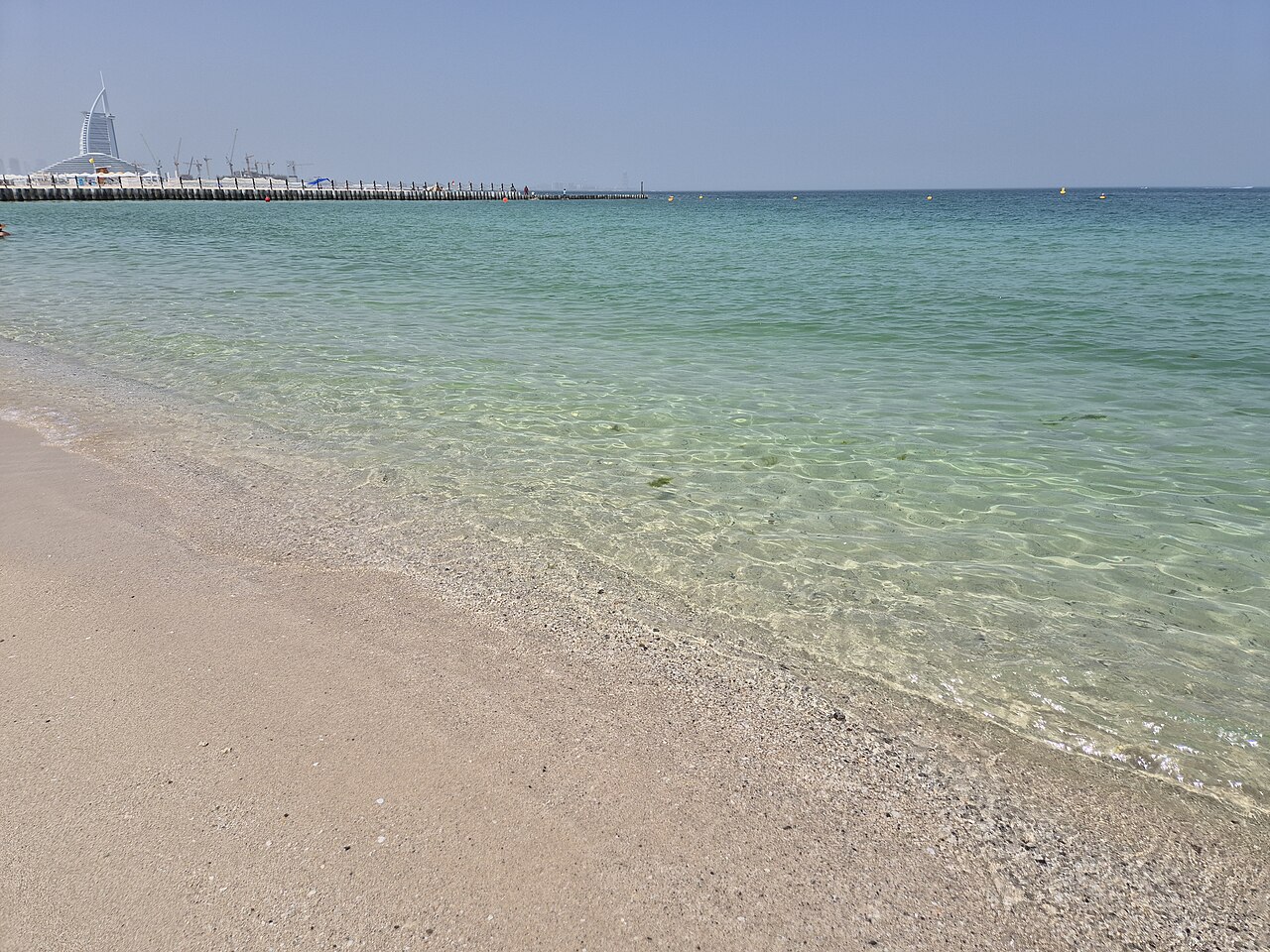
For beach holidays, there are really two questions: how comfortable is it on the sand, and how warm do you want the sea to feel? A sunny January afternoon can be delightful for a walk, a book and a beach café, yet its seawater may feel cooler than some visitors prefer. In October the Gulf retains more heat, but the air can also be much hotter, particularly earlier in the month.
October and November are attractive to swimmers who prefer warmer water and who are willing to manage stronger daytime heat during the autumn transition. March and April can combine pleasant beach routines with increasing warmth, although April's afternoons require more sun care. December through February tend to favour beach walks, outdoor dining and sunbathing in milder air, while the sea feels relatively cooler.
In June through September, heat and humidity are the limiting factors. The sea can be warm, but it is often less refreshing, and the strongest sunshine is not suitable for prolonged unprotected exposure. Beach clubs and resorts may offer shaded seating, pools and indoor facilities; check exactly what is included and whether admission is free or paid.
Different Dubai beaches also suit different plans. JBR is convenient for restaurants and an active promenade, while Kite Beach can be appealing for a less resort-centred outdoor day. Some Palm Jumeirah beach experiences belong to hotels or paid clubs. A public waterfront and a ticketed beach club should not be treated as the same product. Always follow lifeguard flags and current sea-state warnings.
When should you book a Dubai desert safari?
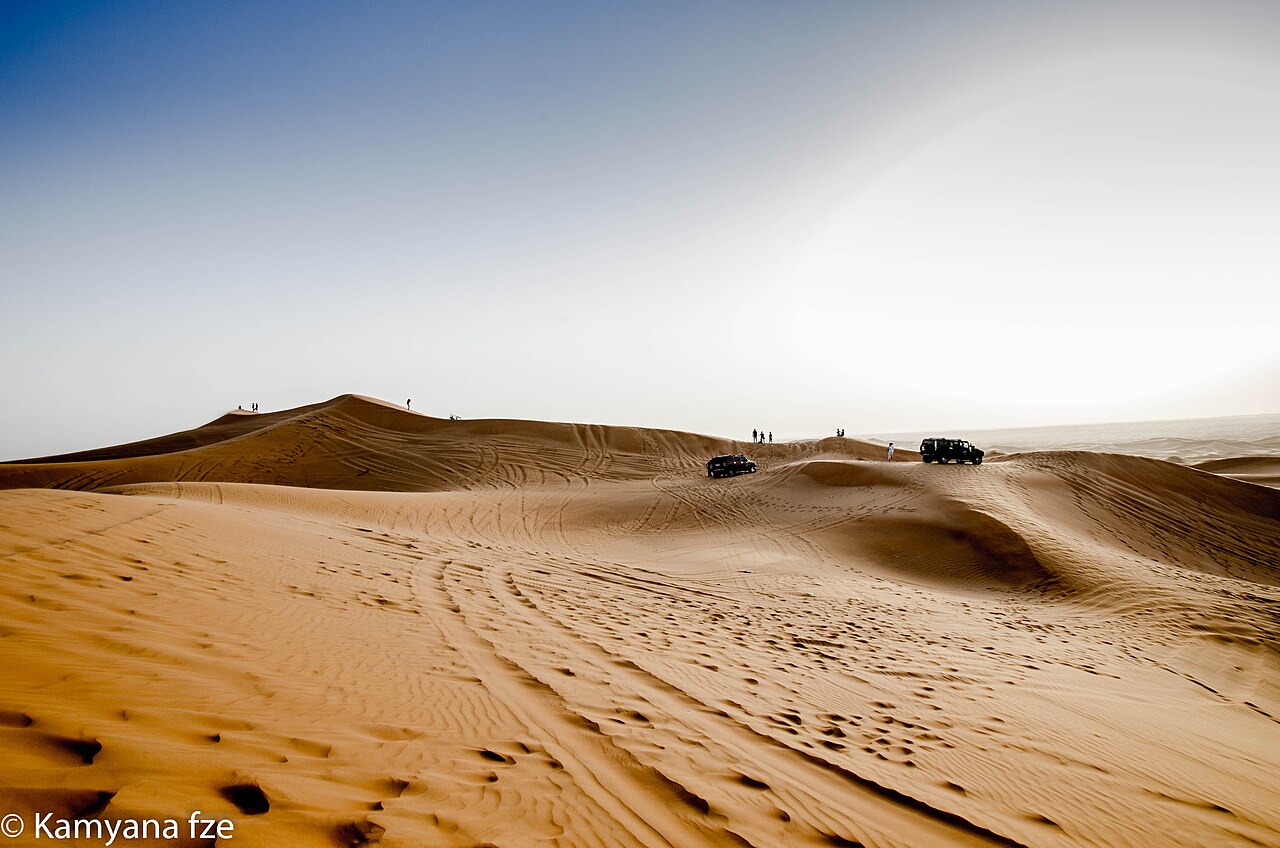
For a traditional desert safari in Dubai, the cooler part of the year—particularly November through March—is the most comfortable starting point. A typical evening trip involves travel out of the city, time on the dunes, sunset photography and sometimes a camp meal. The pleasure of those stops depends partly on the weather, not just on what is listed in the ticket.
October and April can work, especially with a later departure and an operator that adjusts to conditions, but afternoons may be hot. In peak summer, long outdoor stops can be uncomfortable or unsuitable for some guests. Morning departures, shorter programmes or nature-focused options may be more appropriate, but the exact itinerary and operating schedule still need to be confirmed.
Do not assume all desert safaris are identical. Our sunset dune-bashing and BBQ safari lists transfers and a camp experience, whereas the Dubai Desert Conservation Reserve breakfast safari focuses more on a guided nature drive. These are different products and different reasons to visit the desert.
Check dune bashing, pickup zones, quad-bike inclusion, dinner, restrictions for children and conditions affecting pregnant travellers or those with back or neck concerns. A company calling a tour “luxury” or “adventure” does not tell you the exact ride intensity. Before booking, compare the written inclusions and the actual departure time.
Seasonal attractions: Dubai Miracle Garden and Global Village
One of the clearest ways Dubai differs between winter and summer is that some attractions have real operating seasons. You cannot plan a summer trip as if every popular outdoor garden and evening market operates all year. This is why researching the attraction calendar can be just as important as checking average temperatures.
Dubai Miracle Garden: a cooler-season attraction
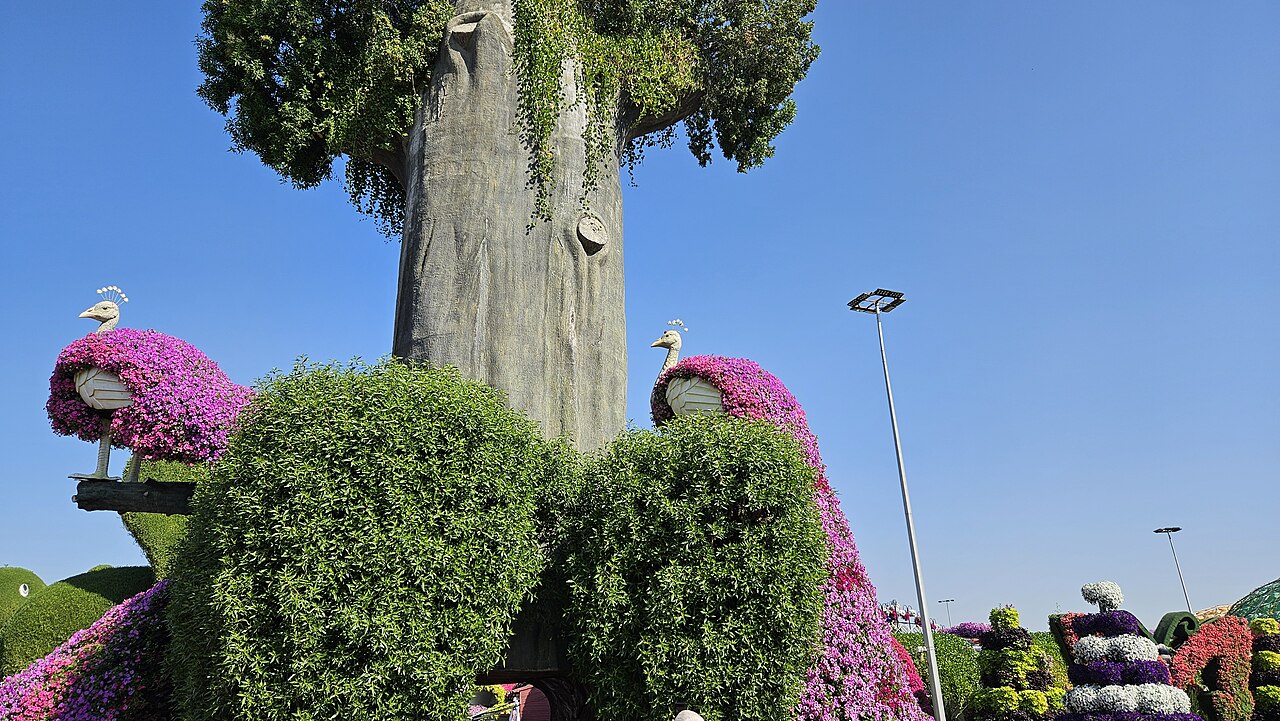
Dubai Miracle Garden displays extensive flower installations in Al Barsha South, but it closes for the hottest part of the year for maintenance and replanting. The current 2026–27 season runs from 8 October 2026 to 31 May 2027, according to the Emirates News Agency's report on the season inauguration. The venue's own FAQ confirms that it is a seasonal attraction and tells visitors to check current operating dates.
That means a family travelling in February can consider a garden visit, while someone booking an August holiday should not build an itinerary around it. Our Miracle Garden ticket covers garden admission only; it does not automatically include transport, a guide or the neighbouring Butterfly Garden. The Butterfly Garden is a separate venue with its own ticket and operating conditions.
Because Miracle Garden involves outdoor walking, plan for shade, water and weather even during the cooler season. A morning or late-afternoon visit can be more comfortable than the middle of a hot day. Check the venue's live hours, last admission and any special programme on your date rather than assuming every day's schedule is identical.
Global Village: outdoor evenings and a published season
Global Village is an outdoor entertainment, shopping and food destination whose seasonal schedule is set by its operator. For Season 31, the official entry rules specify 14 October 2026 through May 2027; the exact final date and any special hours should be checked against the current Global Village rules before planning. Its evening opening pattern makes sense in Dubai's climate, but visitor conditions differ by day, including designated family-and-ladies arrangements.
If Global Village is a central reason for your holiday, late autumn or winter is a stronger choice than summer. Do not assume an unrelated sightseeing pass, hotel transfer or general Dubai tour includes entry. Review the exact admission, dates and any ride-specific extras before paying.
Other outdoor markets, garden venues and temporary events may follow seasonal calendars as well. Instead of copying last year's opening date, use the current event organiser's announcement and the Dubai Calendar for the particular week you plan to travel.
Best season for Burj Khalifa, Dubai Frame and city sightseeing
Major year-round landmarks can generally be part of a holiday in any season, but how you combine them should change. A winter morning is well suited to Old Dubai and a Dubai Creek abra crossing. In the summer, the same walk might be better kept short, with indoor time nearby or another day reserved for early-morning exploration.
For skyline views, a Burj Khalifa At The Top visit takes place inside the tower, with an outdoor viewing component subject to operating conditions. The standard ticket covers Levels 124 and 125, not every premium deck. Winter sunset slots can be particularly popular, but haze, cloud, dust or weather can affect visibility in any month. Buy the ticket for the experience of the tower, not a guarantee of an exact photograph.
Dubai Frame is another useful option and has a different perspective: it connects the city's historic and modern landscapes. Its visit involves getting to Zabeel Park and making your way to the correct entrance. Pair it with Old Dubai or another nearby stop in the cooler months rather than making a separate long transfer across the city.
If the weather is extremely hot, choose fewer venues and group them by area. An indoor attraction such as The Green Planet may offer a more comfortable midday visit than a long open-air walking tour. Even venues with air conditioning still require a transfer, so include the distance from the nearest metro or taxi drop-off in your plan.
When are Dubai hotels cheaper?
Summer often brings better hotel deals because the heat reduces demand for traditional outdoor leisure trips. Dubai's tourism authority specifically recommends off-season dates as one way to find discounts at hotels and attractions. If you want a resort with a pool, spa and several indoor experiences, summer can produce attractive packages.
However, there is no fixed rule that every July hotel is cheaper than every January hotel. Rates also depend on location, conferences, concerts, school holidays, weekends, length of stay, demand from different markets and room type. Premium beach hotels and properties close to Downtown attractions can behave differently from business hotels farther out.
During the November-to-March high season, compare hotel rates early, especially for Christmas, New Year and other popular holiday periods. A hotel that is cheaper per night but far from your daily activities may cost more overall after taxis and lost time. In Dubai, location can be as important as room price.
Shoulder months such as April, May or parts of October may offer a compromise, but they require realistic expectations about heat. It is not value to save on a room and then discover you cannot comfortably do the outdoor activities that motivated the trip.
A practical comparison should include the total holiday: hotel, meals, transfers, attraction tickets, any beach club admission and cancellation flexibility. Book a refundable rate if your travel plans are uncertain, and review each supplier's terms instead of assuming that everything labelled a “Dubai package” has identical protection.
Festivals, Ramadan and holidays change the travel experience
Seasonality in Dubai is also about the calendar. Popular events, major concerts, exhibitions and New Year celebrations can make certain dates livelier and sometimes more expensive. The Dubai Shopping Festival generally takes place during the cooler part of the year, while Dubai Summer Surprises offers retail and entertainment programmes in the warmer months. Exact editions, dates, venues and offers should be checked on official calendars.
Ramadan does not fall in the same Gregorian month every year. In 2026 it occurred around February–March, but future dates shift because the Islamic calendar is lunar. During Ramadan, visitors can still enjoy Dubai, including dining, shopping and cultural activities, while some opening hours and evening schedules change. Respect local customs and confirm the schedule of any attraction or tour booked during religious holidays.
2 December is the UAE's national celebration, Eid Al Etihad, which can bring special events and busier public spaces. Christmas and New Year also attract visitors, even though the UAE's cultural calendar is not identical to that of European countries. If your stay depends on a particular event or fireworks programme, research the official announcement and transport arrangements for that specific year.
Dubai with children: which season works best for families?
For young children, November through March generally provides the most flexible itinerary. You can combine a park, a short outdoor adventure and time at the beach without requiring the entire day to revolve around escaping severe heat. A trip in October or April can work too, but longer outdoor activities should be planned around the morning and evening.
Summer can still be attractive for families who intentionally choose a hotel with good indoor facilities, a shaded pool area and age-appropriate attractions nearby. Think carefully, however, about children who are not used to extreme heat, long stroller walks or outdoor queueing. A low room rate does not compensate for an itinerary that leaves children overheated and exhausted.
When booking desert trips, boat experiences or high-intensity activities, check the operator's minimum-age and health conditions. In the garden season, Miracle Garden can be a memorable outdoor family visit, but it involves walking and is not a weather-proof indoor attraction. Group activities geographically and build in proper rest time.
Which month is best for different types of travellers?
First-time visitors: November, February and March are strong all-round choices because they make it practical to combine historic Dubai, a major skyline attraction and a desert excursion. December can be equally pleasant weather-wise but may be more expensive around holiday dates.
Couples looking for a beach-and-city holiday: consider November or March for the mix of warm outdoor days and comfortable evenings. October and April can suit couples who prefer warmer beach conditions and are willing to schedule sightseeing away from midday.
Travellers prioritising swimming: October and November may offer relatively warmer seawater than the middle of winter, while spring is another option as conditions warm. The best month depends on individual preference for sea temperature versus air temperature; there is no universal swimming season that guarantees perfect water for everybody.
Budget-conscious visitors: summer can make financial sense when the itinerary is mostly indoor and resort-based. But if the whole point of the trip is to explore outdoor Dubai, it may be worth spending more for a cooler period rather than settling for activities you do not truly want.
Older visitors or anyone sensitive to heat: favour the cooler months and comfortable transfer arrangements. Even winter sun requires hydration and sunscreen. Speak with a healthcare professional if specific medical concerns make heat exposure a significant issue.
Three sample itineraries that change with the season
Five days in winter: November through February
Day 1: explore Downtown and reserve one viewpoint such as Burj Khalifa. Day 2: visit Al Fahidi, cross Dubai Creek and explore traditional markets with flexible meal breaks. Day 3: enjoy a beach morning and a relaxed waterfront evening. Day 4: take an afternoon-to-evening desert safari or an operator-led nature experience. Day 5: visit Dubai Miracle Garden, Global Village or another seasonal attraction, subject to its current calendar. This itinerary uses winter's main advantage: comfortable outdoor time.
Five days in spring or autumn: March–April or October
Day 1: a morning in the historic districts followed by an air-conditioned afternoon. Day 2: the beach earlier in the day, then dinner near the Marina or JBR. Day 3: Burj Khalifa and Dubai Mall, allowing time for ticket queues. Day 4: a suitable desert experience with confirmed pickup, adjusted to weather. Day 5: a seasonal attraction if open, or a shorter guided city experience. Reserve the hottest part of each day for indoor venues and rest.
Five days in summer: June through September
Day 1: choose a hotel and neighbourhood that minimise transfers, then enjoy a short evening walk if conditions allow. Day 2: spend the main part of the day at indoor attractions in Downtown. Day 3: visit The Green Planet or another air-conditioned family experience. Day 4: pool time with shade and breaks, followed by indoor entertainment or shopping. Day 5: select one flexible attraction or a short early activity based on actual weather, then enjoy a relaxed departure day. Do not assume Miracle Garden or Global Village will be operating during summer.
What about rain, dust, wind and sea conditions?
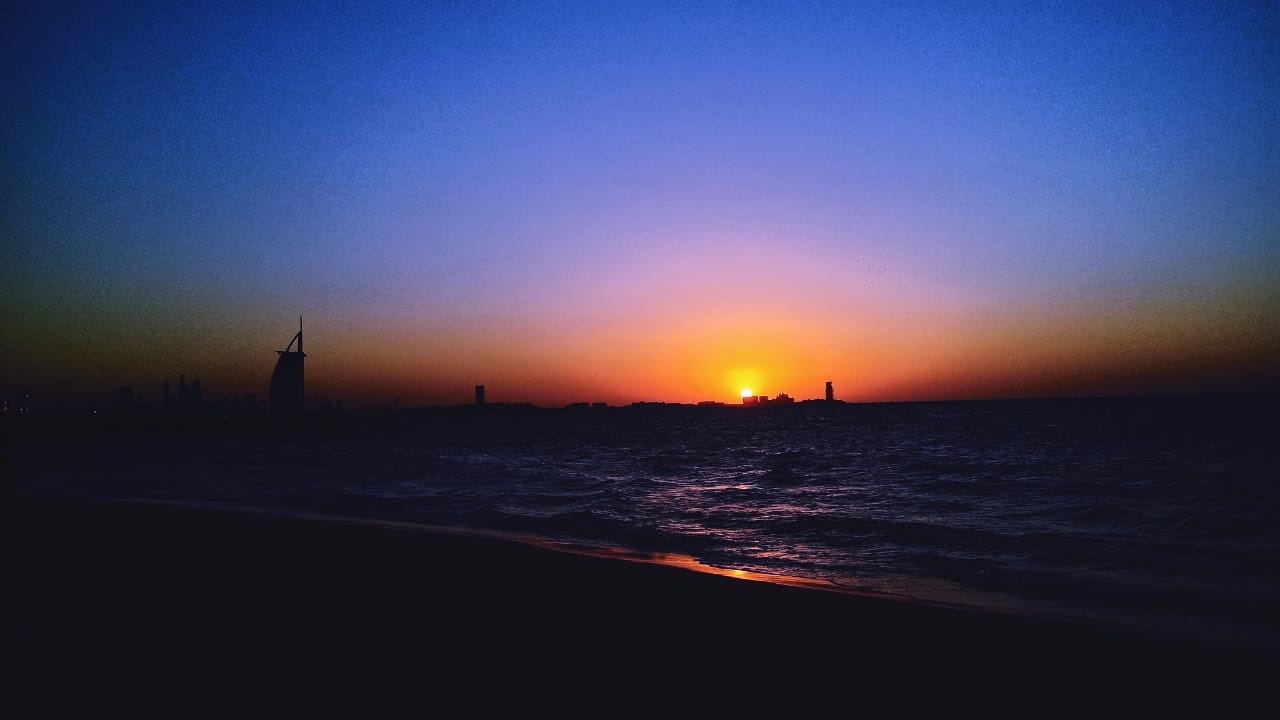
Dubai receives relatively little rain in most years, with more of its rainfall generally falling in the cooler season. However, “desert climate” does not mean that heavy rain can never disrupt plans. An unusual storm may cause flooding, road closures or activity cancellations. Follow weather advisories and never drive through floodwater simply because a map shows a convenient route.
Dust and haze can also affect outdoor comfort and the long-distance visibility from observation decks. If the view is your main goal, look at the forecast rather than assuming every winter afternoon will offer a crystal-clear panorama. For sea activities, wind and waves matter more than an average monthly sunshine statistic. A boat tour or water sport should always follow local operating and safety decisions.
The Dubai Government Media Office provides general climate context, while the UAE National Center of Meteorology publishes weather information and advisories. Use current conditions before long desert drives, water activities or walking tours, especially when travelling with children.
Before you book: a practical seasonal checklist
- Choose your priority first. Is the trip mainly about beaches, culture, desert, festivals, an indoor resort or a particular attraction?
- Check both daytime heat and evening conditions. A pleasant sunset cannot make an entire August afternoon comfortable.
- Confirm seasonal venues. Miracle Garden and Global Village publish season dates; do not assume they operate year-round.
- Check ticket inclusions. An observation ticket does not guarantee every premium floor, and a desert safari may not include optional quad bikes.
- Compare total costs. Summer hotel discounts can be attractive, while peak-season prices and additional transport may change the equation.
- Plan by neighbourhood. Downtown, Old Dubai, JBR, Palm Jumeirah and the desert are not one walkable cluster.
- Prepare for sun and heat. Hydration, shade, sunscreen, suitable clothing and rest matter year-round.
- Verify live travel advice. Weather suitability does not substitute for checking airline operations, entry requirements and current official security advisories.
The last point is especially important for a trip booked in a period of regional uncertainty. A month can be climatically ideal while official security or airline guidance changes. Review your own government's current advice; our UAE travel safety guide explains the distinction between seasonal travel comfort and regional security conditions.
Frequently asked questions about the best time to visit Dubai
What is the best month to visit Dubai for the first time?
November, February and March are excellent starting points for a first visit combining outdoor sightseeing, beach time and a desert experience. They offer generally more comfortable weather than the hottest months, although demand and prices vary.
Is December a good time to visit Dubai?
Yes for warm winter days, outdoor attractions and festive events. But Christmas and New Year can increase accommodation demand and prices, so book early if you have fixed dates or a specific hotel in mind.
When is Dubai's peak tourist season?
Dubai's tourism authority identifies October through March as the principal peak travel period. Different parts of that window feel different: October is still hot, while midwinter is generally more comfortable for extended walks.
What is the cheapest month to visit Dubai?
There is no single guaranteed cheapest month, but hotel and attraction deals are often easier to find in the summer off-season. Compare live prices for your actual dates, and only choose summer if you are comfortable with a mostly indoor itinerary.
Is Dubai too hot in July or August?
For long outdoor sightseeing, many visitors will find those months extremely hot and often humid. An indoor-oriented holiday can still work, but avoid planning continuous outdoor walking, strenuous activities or extended midday beach exposure.
Can you swim in Dubai in January or February?
Yes, subject to beach conditions and local safety guidance, but the sea is relatively cooler than in autumn. Some swimmers enjoy it, while others prefer a heated pool or shorter dips.
Is October a good time for a beach holiday in Dubai?
October can be attractive for people who like warm water, but it is still a hot month: Visit Dubai reports an average daytime high around 35°C. Plan midday shade and avoid assuming that October is as mild as January.
When is the best time for a Dubai desert safari?
November to March is generally the most comfortable period for a conventional afternoon-and-evening safari. Other months can be possible with suitable scheduling, but weather, activity intensity and the supplier's age or health restrictions matter.
Is Dubai Miracle Garden open during the summer?
No. It is seasonal and normally closes during the hottest months. The announced 2026–27 season runs from 8 October 2026 to 31 May 2027. Confirm live opening hours for your visit.
When is Global Village Dubai open in 2026–27?
The official rules for Season 31 state that it began on 14 October 2026 and runs through May 2027. Check the precise closing date, session rules and current opening hours on Global Village's official website before making arrangements.
Should I avoid Dubai during Ramadan?
Not necessarily. Visitors can still enjoy attractions, dining and cultural experiences while respecting local customs. The dates change each year, and some operating hours differ. Check the annual calendar rather than assuming Ramadan always falls in March or April.
Which is better for a family, March or August?
March generally allows a much broader mix of outdoor and indoor activities with children. August works better for families who deliberately want an air-conditioned resort-and-attractions trip and are prepared to limit heat exposure.
Final verdict: choose Dubai's season to match your holiday
For the widest choice of sightseeing, beach time and desert experiences, November to March is the strongest general recommendation. October and April are useful alternatives for travellers who enjoy warmer weather and can be flexible about the middle of the day. May and September are transitional but still hot. June, July and August are better considered specialist low-season trips built around resorts, shopping and indoor entertainment rather than a typical outdoor Dubai itinerary.
Most importantly, do not book the weather and then try to force every famous attraction into it. Start with the month and your group's comfort, check which seasonal venues are actually open, and select experiences with realistic travel time. Explore our Dubai attractions and planning guide, compare desert safari options, or read the dedicated Burj Khalifa ticket guide when you are ready to build your itinerary.
Weather and season information checked 28 October 2026 against official Dubai tourism and UAE government sources. The 2026–27 dates for Miracle Garden and Global Village are season-specific. Weather averages are not daily forecasts; attraction schedules, prices, transport, travel advisories and ticket terms may change after publication.