

Dubai or Abu Dhabi? The two cities are only a short intercity journey apart, but they offer different ways to experience the United Arab Emirates. Dubai is a natural first choice for a holiday filled with iconic skyscrapers, busy waterfronts, shopping, nightlife and varied activities. Abu Dhabi is especially rewarding for impressive architecture, world-class museums, island beaches and families spending time at Yas Island's major theme parks. Neither is automatically better for every traveller.
The right choice is not simply which city has the most attractions. It is which destination matches the pace, interests and budget of your trip. Would you rather alternate famous observation decks with lively beaches and desert adventures? Or enjoy a mosque, museum, waterfront and perhaps a theme park without packing every hour? This Dubai vs Abu Dhabi comparison explains the practical differences and shows how to make the most of both destinations.
If you already know which one appeals to you, explore our Dubai things-to-do guide or Abu Dhabi attractions guide. If you are still deciding, start with the quick comparison below.
Dubai vs Abu Dhabi: quick comparison for tourists
| What matters to you | Dubai | Abu Dhabi |
|---|---|---|
| First-time UAE holiday | Iconic skyline, varied districts and active sightseeing | Culture, architecture and a calmer capital-city feel |
| Landmarks | Burj Khalifa, Dubai Frame and Downtown | Sheikh Zayed Grand Mosque, Qasr Al Watan |
| Museums | Historic neighbourhoods and city-history experiences | Louvre Abu Dhabi and major Saadiyat institutions |
| Beaches | JBR, Kite Beach and lively waterfront areas | Saadiyat Island, Corniche and relaxed resort settings |
| Families | Indoor attractions, beaches, aquariums and waterparks | Major theme parks concentrated on Yas Island |
| Nightlife | More destination entertainment districts | Restaurants and entertainment at a quieter pace |
| Public transport | Metro, tram, buses and taxis | Primarily road-based travel, buses and taxis |
| Ideal approach | Plan sightseeing district by district | Plan cultural and island days separately |
Our overall verdict: choose Dubai for a lively first UAE break with maximum variety. Choose Abu Dhabi for cultural sightseeing, beach hotels and Yas Island adventures. With five to seven days available, visiting both is often the strongest option.
What makes Dubai special?
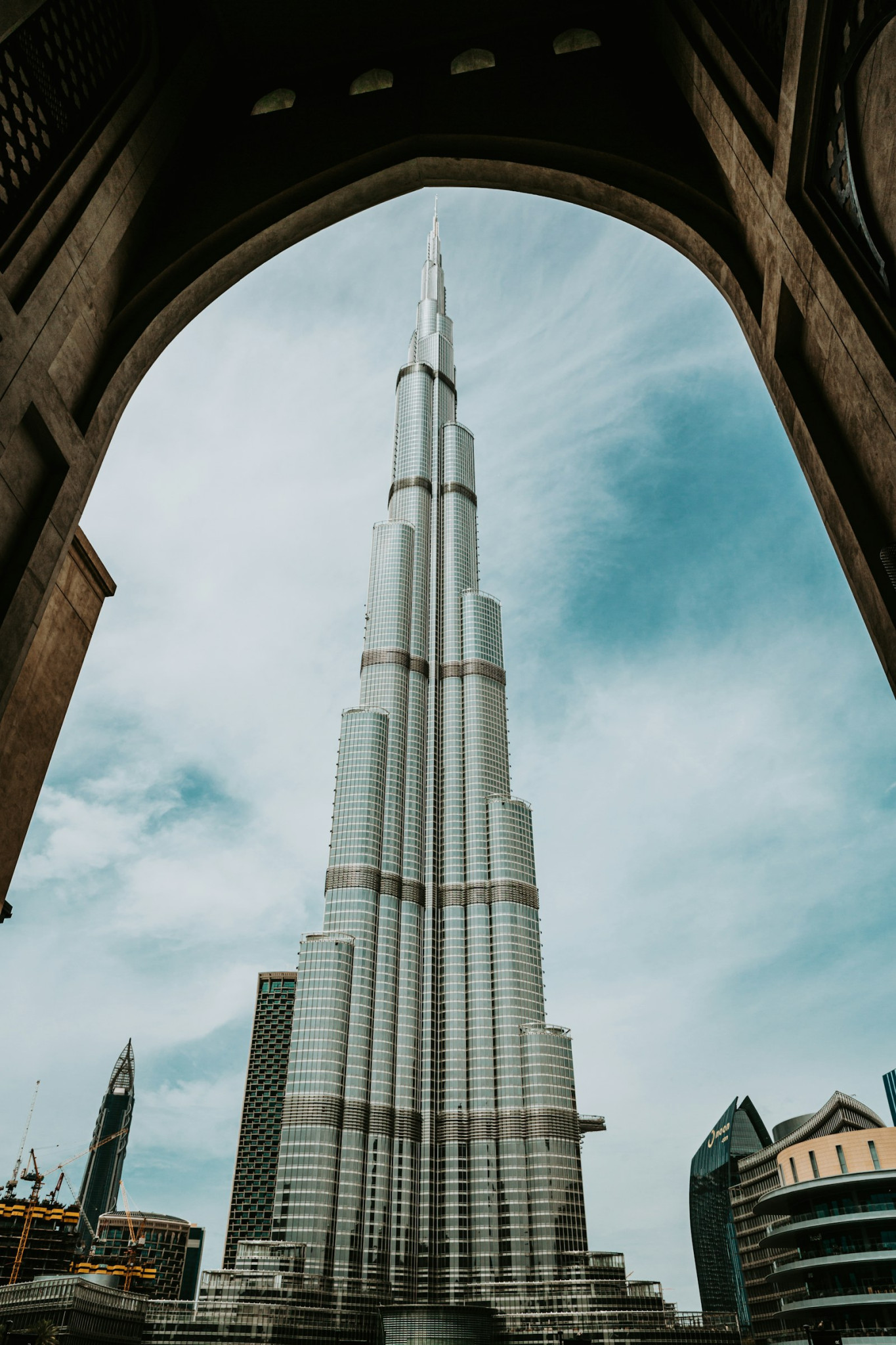
Dubai is built for contrast. Downtown's skyline and the 828-metre Burj Khalifa are as modern as travel postcards get, while nearby city districts tell an older story of trading routes and life around Dubai Creek. The city can deliver high-end hospitality, public beaches, historic streets, shopping and desert landscapes in the same holiday. That variety is one of the best reasons to visit.
Start in Downtown Dubai if your priorities include a famous tower, shopping and illuminated evening views. Burj Khalifa's visitor experiences include different floors and ticket categories, so research the exact admission rather than simply buying the first option you see. Our Burj Khalifa visitor guide explains the difference between standard and premium experiences.
For a different morning, visit Al Fahidi Historical Neighbourhood, walk toward the Creek and take a traditional abra crossing toward Deira. These experiences provide a valuable counterpoint to the city's glass towers. It is entirely possible to spend a rewarding few hours exploring without purchasing multiple expensive tickets.
Dubai's principal drawback is its spread-out geography. Palm Jumeirah, Old Dubai, Downtown and the Marina are not one compact sightseeing zone. Traffic and lengthy transfers can turn an ambitious itinerary into a frustrating day. Rather than chasing every attraction, focus on one area at a time.
What makes Abu Dhabi special?
Abu Dhabi, the capital of the UAE, is better understood as several distinct destinations. The monumental Sheikh Zayed Grand Mosque is an important place of worship and a remarkable example of contemporary Islamic architecture. The Saadiyat Cultural District offers substantial museums, while Yas Island concentrates some of the country's most recognisable family attractions. The Corniche introduces a more relaxed waterside side of the city.
Abu Dhabi appeals to visitors who would rather spend meaningful time in a smaller number of places. The Louvre Abu Dhabi deserves more than a rushed photo stop: its galleries connect artistic traditions from different cultures, and Jean Nouvel's vast patterned dome is part of the experience. Qasr Al Watan offers a different perspective through the architecture and ceremonial spaces of a presidential palace complex.
Abu Dhabi is not entirely quiet or small. Yas Island is busy when major events or popular parks draw crowds; moving between Saadiyat, the Grand Mosque and the Corniche takes planning. The difference is in the kind of holiday you can build, not in the absence of traffic or entertainment.

Which city has the best tourist attractions?
Dubai for skyline views and adventure
Dubai has the advantage if your dream trip includes famous modern landmarks. Burj Khalifa is the obvious starting point, but choose a ticket based on its actual access. The standard At The Top experience includes Levels 124 and 125; a premium lounge or higher observation experience is not the same product. Sunset and evening times can be especially popular, so reserve only when you know the date and category you want.
Dubai Frame offers another distinctive perspective over older and newer parts of the city. Sky Views Observatory is a separate attraction, and its glass slide or other features may depend on the ticket variant. Think about the experience you want, not simply the number of attractions you can collect.
For travellers who want to leave the urban landscape behind, a Dubai desert safari is a strong reason to choose the emirate. Options range from dune-driving and dinner programmes to quieter nature-focused outings. Hotel pickup, quad biking, food, camel rides and other details depend on the supplier; do not assume every safari includes them.
Abu Dhabi for museums and extraordinary architecture
Sheikh Zayed Grand Mosque is one of the strongest reasons to visit Abu Dhabi. Its domes, courtyards and marble details are worth appreciating slowly, but it is a functioning mosque. Check the Grand Mosque Centre's current access arrangements, visiting hours, visitor pass requirements and clothing rules before travelling. A cultural or city tour does not automatically include admission.
Qasr Al Watan is known for its grand interiors and ceremonial architecture. It must not be confused with Qasr Al Hosn, a separate historic site focused on Abu Dhabi's earlier development. Visitors keen on local history may find both worthwhile, but they are different experiences in different locations.
On Saadiyat Island, Louvre Abu Dhabi is a strong choice for art and architecture. Zayed National Museum explains the UAE's history and the legacy of Sheikh Zayed; Natural History Museum Abu Dhabi explores the planet and its living systems; teamLab Phenomena offers an immersive art experience. Pick one or two museums that genuinely interest your group. Check individual opening calendars and ticket rules rather than assuming a single museum ticket covers the entire district.
Attraction verdict: Dubai leads in famous modern skyline experiences and breadth of urban entertainment. Abu Dhabi is particularly compelling for cultural institutions, monumental architecture and deeper historical context.
Dubai or Abu Dhabi for a beach holiday?
Both destinations have attractive coastlines, but they offer different beach experiences. Dubai suits travellers looking for a lively city-beach combination. The Beach at JBR combines waterfront walking, restaurants and swimming areas. Kite Beach is popular for an active outdoor atmosphere. Palm Jumeirah adds resort hotels and beach clubs, although many specific beachfront facilities are paid or reserved for guests.
In Abu Dhabi, Saadiyat Island appeals to travellers seeking broad coastal scenery and a more resort-oriented stay. The Abu Dhabi Corniche combines a long promenade with beach facilities and views of the capital's skyline. Specific public, club and hotel beach areas have different access conditions and fees. Never assume a hotel beach is open to non-residents or that every section of a public waterfront is free.
Dubai is the better fit if you want sand, a busy promenade and dinner in the same lively neighbourhood. Abu Dhabi is attractive if your preferred day involves the beach, a hotel pool, a leisurely meal and perhaps a museum. Swimming conditions and seasonal weather affect both destinations, so pay attention to local safety flags.

Which destination is better for families with children?
Both cities can keep a family entertained for a week. Dubai offers an especially broad range of options: aquariums, indoor attractions, beach activities, waterparks and observation decks. This flexibility is helpful for families with different ages and interests. However, it can also lead to excessive travel if activities are booked at opposite ends of the city on the same day.
Abu Dhabi has an unusual strength: Yas Island. Ferrari World Abu Dhabi, Warner Bros. World Abu Dhabi, Yas Waterworld and SeaWorld Abu Dhabi give families several different entertainment choices in a defined area. A park day should normally be treated as a full-day commitment; spending only an hour at each venue is unlikely to justify the tickets or transport.
Check ride height restrictions, age requirements, opening calendars and any special booking conditions. A park that is perfect for a teenager may have fewer suitable rides for a small child. Abu Dhabi also has museum options for curious families: Natural History Museum, for example, can be a welcome alternative to another afternoon of rides.

Family verdict: Dubai offers a wide mix of entertainment across multiple districts; Abu Dhabi is especially attractive if theme parks are the primary reason for your trip. In either city, leave enough time for meals, breaks and transport.
Dubai vs Abu Dhabi for couples and romantic holidays
For a couple who loves stylish restaurants, illuminated towers, boat experiences and energetic evenings, Dubai is a good match. A holiday can alternate a rooftop dinner, a scenic observation deck and a sunset desert activity. Its variety suits travellers who want something different every day.
Abu Dhabi works very well for couples who prefer a quieter hotel base and cultural outings. A morning by Saadiyat's coast, an afternoon at Louvre Abu Dhabi and an unhurried dinner can make for a more restful break. It is still possible to find sophisticated hotels and fine dining; the difference is that you may feel less pressure to keep moving.
If you are choosing a city for a honeymoon or anniversary, pay close attention to the specific hotel and location. Beach access, room category, restaurants, transfer time and the activities you will actually book matter more than a general claim that one city is more romantic.
Which is cheaper, Dubai or Abu Dhabi?
There is no reliable universal answer. Both cities have expensive resorts, premium ticketed attractions and high-end dining. Both also offer casual restaurants, pleasant walks and lower-cost sightseeing. Hotel prices can move sharply with season, events, business travel and location.
Dubai offers a broad accommodation market, but a cheaper property far from your planned attractions can generate substantial taxi costs. A hotel with practical metro access may be better value than an isolated room offered at a lower nightly rate. Abu Dhabi can work well for a resort-and-culture holiday with fewer paid attractions, but a premium Saadiyat hotel and several Yas Island park days are not inherently inexpensive.
Compare total holiday cost, not just room rate: accommodation, breakfast, transport, admission, food and time. Set priorities before buying tickets. One excellent experience per day may offer better value than several rushed and expensive bookings.
Getting around: Dubai Metro or Abu Dhabi taxis?
Dubai has a clear advantage for travellers who like rail-based public transport. Its Metro, tram, buses and taxis connect many important districts, although not every attraction is within easy walking distance of a station. A metro journey often still needs a taxi or walk at the end, and the summer heat can make outdoor connections uncomfortable.
Abu Dhabi visitors are more likely to rely on taxis, buses, rental cars or selected shuttles. The Grand Mosque, Saadiyat Island, Yas Island and Corniche are separate sightseeing zones. Yas Island has shuttle services on certain routes, but check the schedule and access requirements instead of assuming a service runs continuously.
Neither city requires every visitor to rent a vehicle. Families should verify child-seat arrangements with transfer providers. If you plan to drive, consider parking, tolls, traffic and your confidence on major multilane roads before choosing between a rental car and booked transfers.
Can you visit Abu Dhabi as a day trip from Dubai?
Yes. The distance is approximately 130 to 150 kilometres for many common city-to-city routes, depending on where you start and finish. A direct road journey between central areas can take around 90 minutes or longer when traffic is heavy. Yas Island lies closer to Dubai than central Abu Dhabi does, so the precise destination changes the travel plan.
Intercity buses, including Dubai–Abu Dhabi routes such as E100 and E101, can be an economical alternative to a private transfer. Check the official Dubai Roads and Transport Authority schedule for your departure date and allow for the onward trip from the bus station to your chosen attraction. A taxi or private transfer can be more convenient for a family or small group, but compare the full vehicle cost rather than the cost of a single bus ticket.
For a culture-focused day trip, visit Sheikh Zayed Grand Mosque and one additional venue, perhaps Louvre Abu Dhabi or Qasr Al Watan. You will have time to appreciate both rather than racing between several museums. Check the mosque's current visitor arrangements and opening hours before committing to a schedule.
For a family day trip, travel directly to Yas Island and dedicate the day to a single theme park. Trying to include the Grand Mosque, a museum, a park and a return journey to Dubai on the same day is unlikely to be enjoyable.
Should you stay in one city or both?
For a three-night trip, choosing one city is usually sensible. Dubai suits a first visit focused on famous sights; Abu Dhabi is a good choice if the mosque, Saadiyat museums or Yas Island are your priorities. Spending valuable time switching hotels is rarely the best use of a very short break.
With five to seven nights, a split stay becomes far more appealing. One practical plan is three or four nights in Dubai and two or three in Abu Dhabi. You can explore the skyline, Old Dubai and desert at a sensible pace before moving to the capital for cultural sites, the coast and perhaps a park. Reverse the order if your flights or preferred attractions make that more convenient.
If you stay in one city and repeatedly visit distant attractions in the other, you will lose a lot of time to intercity travel. Book hotels close to the main areas you intend to explore, and align your final hotel with the airport from which you will depart.
Best time to visit Dubai and Abu Dhabi
Both cities have very hot summers. For most visitors planning outdoor sightseeing, desert activities and waterfront walks, November to March is generally the most comfortable period. October and April can also work, but daytime temperatures can remain high. Winter is popular, so availability and hotel prices may reflect higher demand.
During the summer, indoor museums, shopping centres, hotels and some covered attractions make travel possible, but hours of outdoor sightseeing in the middle of the day may be uncomfortable or unsafe. If you are particularly sensitive to heat, plan your trip around cooler months.
Special events, religious holidays and Ramadan can affect attraction schedules, traffic and booking conditions. Verify the hours and ticket availability for the actual days you will visit, not simply the normal hours listed in an older article.
Culture and practical etiquette in both cities
Dubai and Abu Dhabi share the UAE's wider legal and cultural environment. Clothing may be relatively relaxed at beaches, hotels and commercial districts, while mosques and certain cultural institutions enforce stricter requirements. Sheikh Zayed Grand Mosque has specific modest-dress rules and visitor procedures; confirm them through the official mosque centre before arriving.
Respect local photography rules, especially around places of worship, individuals and restricted locations. A waterfront resort and a religious site are different environments. During Ramadan, plan more carefully around changed opening patterns and local customs.
For travellers interested in the UAE beyond famous buildings, a good museum, an Old Dubai walking day or time learning about Emirati heritage can be more memorable than adding another generic shopping stop. The best itinerary balances spectacle with a sense of place.
Suggested itineraries: three ways to plan your UAE trip
Option 1: three days in Dubai
Day 1: explore Downtown, visit one observation deck if you wish and enjoy the evening waterfront atmosphere. Day 2: discover Al Fahidi, cross Dubai Creek by abra and explore Deira's souks; leave the afternoon flexible. Day 3: enjoy JBR or another beach area, then consider an evening desert safari with BBQ if its pickup area, activities and physical requirements suit your group. This plan provides a strong overview without unnecessary hotel changes.
Option 2: three days in Abu Dhabi
Day 1: visit Sheikh Zayed Grand Mosque, allowing enough time for visitor access and security, then enjoy a relaxed evening. Day 2: choose Louvre Abu Dhabi or another Saadiyat museum, followed by coastal time. Day 3: select Qasr Al Watan and the Corniche, or spend the full day at Yas Island if parks are your priority. Resist the temptation to squeeze a theme park into an already full cultural day.
Option 3: six days across Dubai and Abu Dhabi
Days 1–3: use Dubai as your base for Downtown, Old Dubai, the beach and a desert excursion. Day 4: transfer to Abu Dhabi and visit the Grand Mosque, keeping the rest of the day flexible. Day 5: explore Saadiyat Island and its museums, with time on the waterfront. Day 6: dedicate the day to Yas Island or visit the palace and Corniche. The airport that suits your arrival and departure may change the best order.
Common mistakes tourists make
Choosing by skyline photographs alone. Beautiful landmarks do not tell you how far attractions are from one another or whether your interests match the city. Research neighbourhoods and travel times first.
Booking too many timed experiences. Tickets, security checks, queues and taxis all take time. One major attraction per half-day is often more enjoyable than an unrealistic checklist.
Assuming tickets include everything. A desert safari may not include quad biking; a standard Burj Khalifa ticket does not include every premium level; a museum ticket generally does not cover neighbouring museums. Read inclusions and cancellation terms carefully.
Treating Abu Dhabi as only an extension of Dubai. The capital easily warrants several nights, especially for visitors attracted by museums, beaches and theme parks.
Choosing hotels on price alone. The cheapest room may not be cheapest when you include long transfers and lost holiday time.
Frequently asked questions: Dubai vs Abu Dhabi
Is Dubai or Abu Dhabi better for first-time tourists?
Dubai is the easiest general recommendation for travellers wanting iconic sights, active waterfronts and varied entertainment. Abu Dhabi may be the better first choice for visitors primarily interested in architecture, museums, resort beaches and Yas Island parks.
Is Abu Dhabi quieter than Dubai?
It often feels quieter in its cultural and coastal districts, but that is not a guarantee. Major theme parks, events and popular attractions can be crowded. The exact neighbourhood and hotel matter more than the stereotype.
Which city has better beaches?
Dubai is particularly well suited to lively urban beach days and nearby dining. Abu Dhabi's Saadiyat coastline and Corniche suit a more relaxed beach-oriented holiday. Access conditions, fees and facilities vary by specific beach.
Which city is better for children?
Dubai has a wide variety of family experiences spread across the metropolis. Abu Dhabi is particularly strong for families who want multiple major theme parks concentrated on Yas Island.
Can you visit Abu Dhabi without a car?
Yes. Intercity buses connect Dubai and Abu Dhabi, and taxis and other local transport cover onward journeys. Plan the complete route because not every tourist attraction is beside an intercity bus stop.
How many days should I spend in Dubai and Abu Dhabi?
Three to four days is a reasonable first taste of Dubai, while two to three can cover a focused Abu Dhabi stay. Five to seven days provides a more comfortable opportunity to combine both without rushing.
Is Abu Dhabi worth visiting on a Dubai holiday?
Absolutely, especially for Sheikh Zayed Grand Mosque, Louvre Abu Dhabi and Yas Island. However, one day is best dedicated to one or two priorities. Stay overnight if you want cultural sightseeing plus theme parks or beaches.
Is Dubai more expensive than Abu Dhabi?
Not consistently. Both offer budget-conscious choices and premium experiences. Compare total costs for accommodation, transport, meals and admission on your actual dates rather than assuming one destination is always cheaper.
Final verdict: should you choose Dubai or Abu Dhabi?
Visit Dubai for world-famous skyline architecture, lively beaches, shopping and a wide mix of urban and desert adventures. Visit Abu Dhabi for significant museums, grand cultural landmarks, attractive resort areas and Yas Island theme parks. Both have enough depth to reward more than a hurried visit.
If your schedule allows, combine them. They are close enough to share one UAE holiday but different enough to justify separate stays. Use our Dubai travel guide, Abu Dhabi sightseeing guide and Things to Do and attraction tickets to compare experiences and build a trip around what genuinely interests you.