

Is the UAE safe to visit right now? It is a more complicated question in October 2026 than a description of Dubai's low street-crime rate might suggest. The United Arab Emirates is known for extensive tourist infrastructure and relatively low everyday crime, but current official travel advisories also describe serious regional security risks, including potential missile or drone attacks, terrorism and flight disruptions. Those two facts can be true at the same time.
For a tourist choosing between Dubai and Abu Dhabi, the essential question is not whether the shopping malls look busy or whether hotels are accepting reservations. It is whether you are comfortable with the latest government advice, the possibility of sudden changes to flights or local instructions, and the travel insurance terms that apply to your itinerary. Some governments currently urge travellers to reconsider or avoid non-essential journeys to the UAE. Others recommend heightened caution. None of those positions should be translated into a promise that an individual holiday will be safe.
Information checked: 27 October 2026. This is a dated travel-safety guide, not a live incident bulletin. Advisories can change without warning. Review the official notice for your own nationality immediately before paying for a trip, again before departure and throughout your stay.
UAE travel safety right now: the short answer
Dubai and Abu Dhabi remain important international destinations, but an attractive holiday environment is not the same as the absence of security threats. There are four different questions to consider:
| Safety question | What visitors should know in October 2026 | Practical response |
|---|---|---|
| Street crime and personal belongings | Official advisories generally describe low ordinary crime, although theft, harassment, assault and scams can occur. | Use normal precautions and licensed transport; protect your documents and payment details. |
| Regional conflict and terrorism | Several governments warn of an unpredictable security environment, including attacks affecting the wider region. | Check official advisories, avoid sensitive sites and know how to follow emergency alerts. |
| Flights and travel disruption | Airspace restrictions or schedule changes can happen at short notice. | Check with your airline before travelling to the airport and plan for a possible extended stay. |
| Health, weather and local law | Heat, road risks, sea conditions and strict laws can affect travellers independently of regional tensions. | Arrange appropriate insurance, check medicine rules and choose qualified activity providers. |
Bottom line: the UAE's relatively low level of day-to-day street crime does not cancel out the more serious regional security warnings in force in October 2026. If your government advises against non-essential travel, that recommendation should be a central factor in deciding whether to postpone a leisure trip.
What do governments currently advise about travel to Dubai and Abu Dhabi?
There is no single worldwide advisory scale. Countries use different terminology, review cycles and approaches to risk, so their wording may not match even when they are discussing the same security environment. Rather than presenting one simplistic safety score, it is more useful to look at what several official authorities actually say.
| Official source | Advice checked for October 2026 | What it means for a traveller |
|---|---|---|
| United States, State Department | Level 3 – Reconsider travel; advisory issued 23 October 2026, citing terrorism and armed conflict. | Think carefully about whether the journey is necessary and review security and exit arrangements. |
| Germany, Federal Foreign Office | As of 24 October 2026, advises against non-essential travel to the UAE. | Leisure travellers should take this warning seriously and review insurance and cancellation conditions. |
| Australia, Smartraveller | Exercise a high degree of caution; advice updated 8 October 2026 because of regional instability and terrorism threats. | Remain alert, monitor official warnings and be ready for travel disruption. |
| United Kingdom, FCDO | Warns about regional escalation, potential airspace closures and the need to follow shelter guidance. | Keep flight plans under review and prepare for unexpected changes. |
These descriptions reflect the official pages checked for this article, not a permanent status. Check the linked source directly for the latest wording. Travellers should also consult their own foreign ministry, because consular assistance, insurance cover and entry rules can depend on citizenship, residence and the policy purchased.
Why have UAE travel safety warnings changed in 2026?
Regional military developments have materially changed the security context. The U.S. State Department describes threats associated with hostilities that began in February 2026 and continuing concerns about missile and drone attacks. European and Australian authorities have warned that tensions can increase unexpectedly, affecting locations across the wider Middle East. Some incidents have involved strikes or attempted strikes, while defensive interceptions can create hazards from falling debris.
This is not the same as saying that every neighbourhood in Dubai or Abu Dhabi is experiencing combat. It does mean that conventional tourist indicators, such as open restaurants and a functioning hotel check-in desk, are insufficient to judge regional security. A situation can feel normal on the street while authorities remain concerned about wider threats and infrastructure disruption.
Government advice also mentions the potential for attacks affecting places associated with military infrastructure, diplomatic interests, energy facilities and transport networks. Tourists should avoid military and security installations and follow local restrictions. Where an alert is issued, the immediate priority is to follow local authority instructions rather than to take photographs or investigate the incident.
It is not responsible to predict whether a new incident will occur next week, or to promise that recent quiet days guarantee the next month's safety. Conditions, government assessments and airline operations can change faster than a static travel article can be updated.
Is Dubai safer than Abu Dhabi?
No reliable current official advisory justifies a simple claim that one of these cities is categorically safer than the other. The main travel warnings discussed above cover the United Arab Emirates as a whole, including Dubai and Abu Dhabi. A tourist choosing between them should avoid using unsupported rankings or assumptions about the distance from a landmark to judge the risk of regional events.
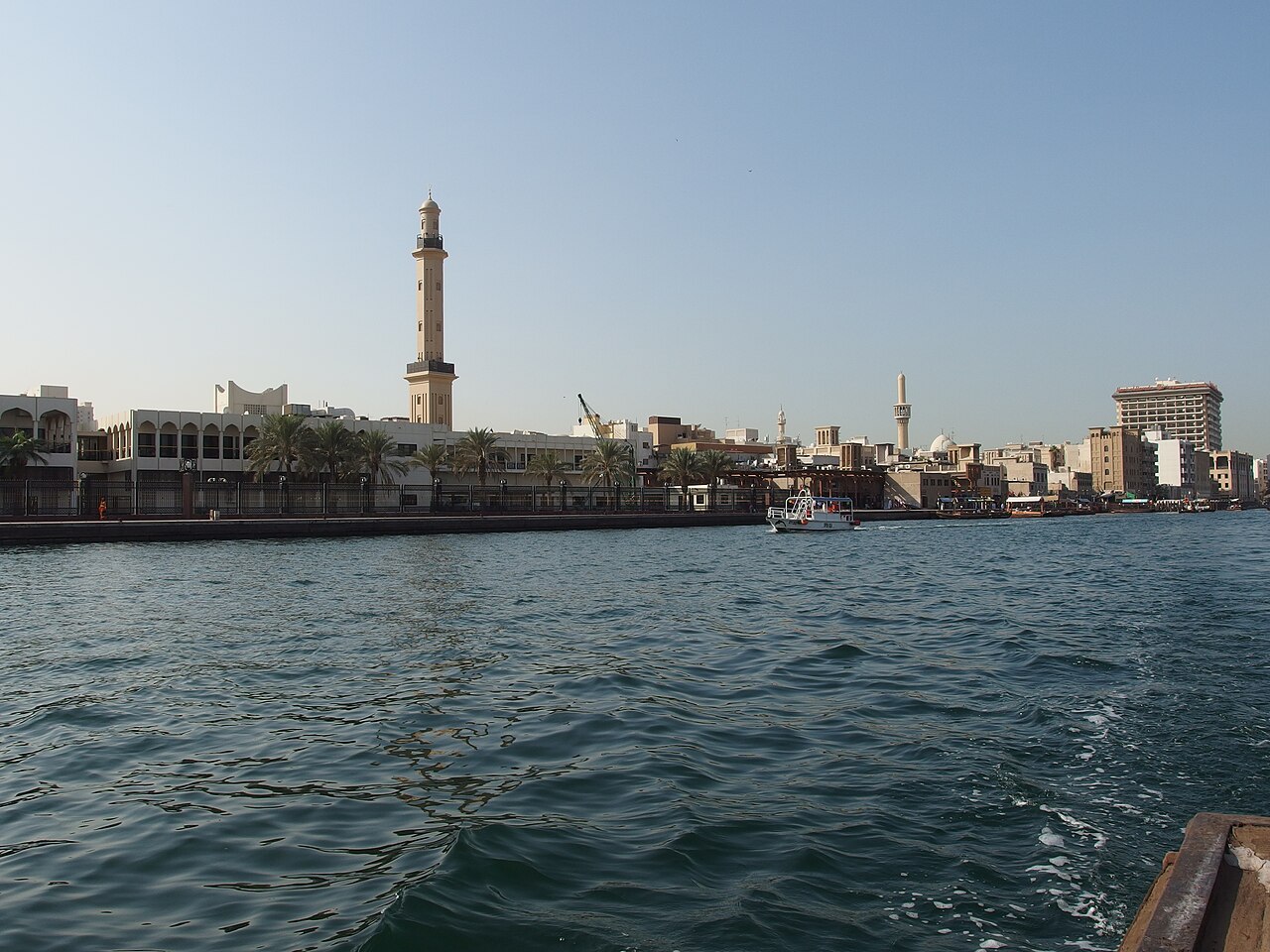
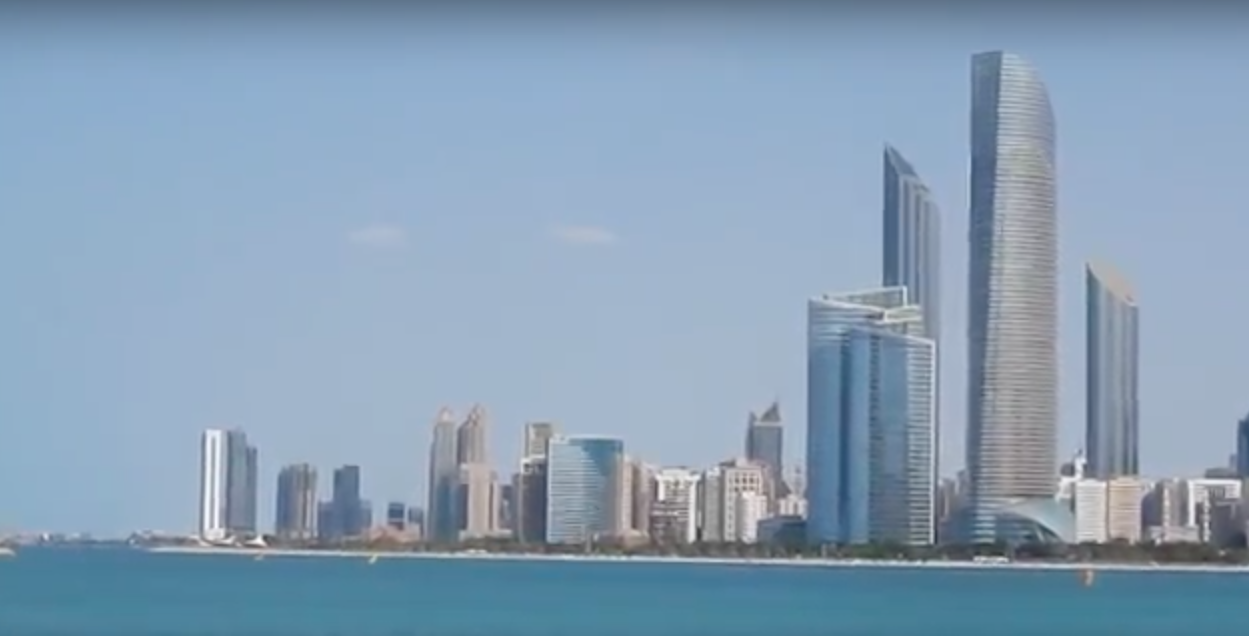
The two cities do have different travel patterns. In Dubai you may spend time around Downtown, the Marina, beaches, historic Creek neighbourhoods or a desert excursion. In Abu Dhabi, a visit might combine Sheikh Zayed Grand Mosque, Saadiyat museums, the Corniche and Yas Island. Those choices affect transport, time spent outdoors, access to services and the way you respond to disruption, but they do not create a guaranteed security boundary between the emirates.
If you are planning a holiday, decide which destination appeals to you for its actual experiences, then apply the same government travel-advisory check to either city. Our Dubai vs Abu Dhabi comparison explains how their attractions, beaches and transport differ. It is a trip-planning comparison, not a security ranking.

Are flights to Dubai and Abu Dhabi operating safely?
Airline schedules and aviation safety are separate questions. Airports and airlines may continue operations during periods of increased alert, but authorities caution that regional events can cause airspace restrictions, diversions, cancellations and delays at short notice. Australia's October advisory specifically highlights possible changes affecting flights through Dubai and Abu Dhabi. The UK's FCDO also tells travellers to review departure arrangements and monitor airport updates.
Do not assume that a flight advertised for sale today will necessarily operate on your travel date. Equally, a report of a regional airspace restriction does not establish that every UAE airport is closed. Operational information needs to come from the airline and relevant airport for the actual flight and date.
If you are travelling via Dubai International, Al Maktoum International or Zayed International Airport, check the full booking rather than only the first sector. A missed connection can create accommodation, visa, medication and insurance problems even when the original departure airport is operating normally. A transit itinerary can be affected by the same airspace issues as a trip ending in the UAE.
Before departure, keep airline notifications enabled, allow a realistic connection margin, know where to find your booking reference and avoid non-refundable onward arrangements with no buffer. In the event of a major incident, follow the airline's instructions and local authority announcements. Do not travel automatically to an airport in response to rumours of reopening or closure.
Is everyday crime a major problem for tourists in the UAE?
On the ordinary-crime question, several official foreign-government guides describe the UAE as a relatively low-crime destination. Australia's Smartraveller says petty theft such as pickpocketing and bag snatching is uncommon. U.S. government travel information also describes violent and property offences as rare. This is useful context, especially for visitors accustomed to busy international cities.
Low reported crime does not mean that theft, harassment, assault or fraud cannot occur. Protect your passport, phone and bank cards; avoid leaving belongings unattended in public areas; and use reputable transport. When meeting someone you have only contacted online, choose a public venue and let a trusted person know your plans. As anywhere, do not leave drinks unattended or accept a lift from an unknown driver.
Digital scams deserve separate attention. Fake accommodation offers, misleading travel arrangements, requests for money and compromised public Wi-Fi can affect visitors even in places where street theft is limited. Verify booking websites, check the correct merchant and payment currency, and be sceptical of requests to move a legitimate booking to an unrelated messaging account or bank transfer.
Women travelling alone should not be told that any destination is completely risk-free. Official UK guidance recommends reputable taxis and particular care when travelling alone at night. Travellers who experience harassment or assault should seek medical help and contact their consulate and appropriate local services; legal procedures and reporting rules can differ from those at home.
Tourist laws that affect personal safety in Dubai and Abu Dhabi
One of the easiest mistakes for a visitor is assuming that conduct permitted at home will also be lawful in the UAE. The country has its own legal and cultural expectations, and penalties for some offences can be severe. These issues are part of practical travel safety even though they are unrelated to street crime or regional tensions.
Photographs, videos and online posts
Do not photograph or film military or security sites, restricted government facilities, or incidents involving military activity. Authorities and official foreign travel advisories warn that taking or distributing images of sensitive locations, incidents or damage can lead to serious legal consequences. Photographing identifiable people without permission can also create privacy or legal problems.
In a heightened security situation, resist the urge to publish unverified claims, dramatic videos or images of an incident. The most useful action is to follow official directions, contact people who need to know you are safe and avoid interfering with emergency responders. Tourist photography should never become an excuse to approach an unsafe scene.
Alcohol, public conduct and local customs
Rules on alcohol and public behaviour can be stricter than visitors expect. The UK travel guidance notes that public intoxication can lead to legal problems; Sharjah has additional restrictions on alcohol. Dress requirements vary by location, with especially clear expectations at religious sites. Behaviour in a beach club is not a reliable guide to what is appropriate at a mosque or government building.
Travellers should check the current rules that relate to their circumstances, including rules concerning personal relationships, online speech and LGBTQ+ visitors. Government travel guidance is a better starting point than hearsay or social-media anecdotes. The objective is to understand potential legal exposure, not to judge anyone's identity or personal life.
Prescription medicines and controlled substances
Some medicines commonly prescribed abroad are subject to special regulation in the UAE. Check the active ingredients, not only the brand name. The Emirates Drug Establishment publishes current information on documentation and a service for travellers seeking prior approval for certain controlled medicines. Its service description says the electronic approval is optional for visiting travellers in specified circumstances; that does not remove the need to meet the applicable rules and carry the necessary medical paperwork.
Bring medicines in original packaging, keep prescriptions or medical reports accessible and confirm the latest requirements for anything classified as controlled. Do not rely on outdated blanket claims that all medicines require the same permit or that a prescription makes every product automatically admissible.
Heat, sea conditions and desert activities: risks unrelated to conflict
Even when there is no security incident, the UAE's climate can create serious hazards. During the hottest summer months, extreme heat can become dangerous, especially for young children, older travellers and anyone spending long hours outdoors. Plan walks, sightseeing and activities around weather conditions; carry drinking water and use shaded or air-conditioned breaks. Do not assume that a short outdoor walk will feel comfortable because a hotel lobby is cool.
Sand or dust storms can reduce visibility and affect outdoor activities. Sudden heavy rain can create flash flooding and dangerous roads, particularly in low-lying areas or desert valleys. Government travel guidance advises against driving through affected areas. If a weather warning is issued, postponing a scenic excursion is better than testing the depth of floodwater.
At the beach, watch for local flags and lifeguard advice. Strong currents can occur even when the water looks appealing. Choose approved swimming areas and supervise children closely. Boat trips and water sports should include appropriate safety equipment, clear weather rules and a realistic understanding of swimming ability.
A Dubai desert safari has its own safety considerations. Dune bashing can be a bumpy activity and may be unsuitable for travellers with certain medical conditions, pregnant participants or some younger children. Never assume every safari is gentle or that every tour includes the same vehicle, insurance or protective equipment. Compare the itinerary, pickup location, age rules and cancellation terms before booking.

Are taxis, public transport and roads safe?
Visitors generally have access to established taxi services and public transport, but reputable transport is still important. UK government advice recommends licensed taxis and recognised operators or booking apps, rather than accepting lifts from strangers. In Dubai, the Metro can reduce reliance on cars along its routes; elsewhere you may use taxis or buses. In Abu Dhabi, road journeys are often part of getting between the main attractions.
Road safety is a practical issue throughout the UAE. Wide, fast roads and unfamiliar junctions require attention, and pedestrians should cross only in designated places. Always use seatbelts, confirm child-restraint arrangements and avoid travel with a driver who seems fatigued or distracted. If renting a vehicle, confirm that your licence is valid for the UAE and that your insurance covers the intended use.
In severe weather or a security incident, the normal route may be disrupted or local authorities may restrict movement. Leave enough time for airport transfers and avoid scheduling a return from a remote desert or water activity immediately before your international flight. Planning for ordinary delays is helpful; having contingency arrangements for larger disruptions is now more important too.
Is the UAE safe for families with children?
Dubai and Abu Dhabi offer many family-oriented attractions, hotels and public spaces, but the decision to travel with children should be based on the same current government warnings that apply to adults. In a period of regional instability, parents may need to consider whether they can cope with a sudden flight cancellation, an extended stay or an instruction to shelter indoors. A family's ability to manage those possibilities may matter as much as the planned attraction list.
Before travelling, ensure every family member has valid documents, any required entry permissions, essential medication and adequate insurance. Keep key contact details available offline. Explain to older children, calmly and in age-appropriate language, that they should follow adult instructions and remain together if an official alert is issued.
For normal sightseeing, choose one main outing at a time, schedule rest during hot weather, check theme-park height restrictions and plan safe transport with suitable child seats. Abu Dhabi's Yas Island and Dubai's indoor attractions can be enjoyable, but neither is an alternative to evaluating the current regional security advice.
Should you cancel or postpone a planned UAE holiday?
There is no universal answer for every nationality, ticket and family situation. A discretionary holiday booked for a period covered by an official warning against non-essential travel should be reassessed seriously. Some travellers may choose to postpone; others may be travelling for essential reasons or already be in the country. In either case, the important distinction is between an informed decision and an assumption that a popular tourist destination cannot face wider risks.
If you have already paid, check the airline's change policy, the hotel's cancellation deadline and the exact wording of any insurance policy. Ask the insurer whether its cover is affected by the official advisory applicable to your nationality or destination, and whether war-related, terrorism-related or travel-disruption claims are excluded. Do not assume an airline's flexible ticket automatically covers hotel costs or that a credit card automatically includes suitable travel insurance.
If you have not yet booked, flexibility has real value. Choose refundable accommodation where feasible, avoid stacking several expensive non-refundable activities, and leave a margin between connecting flights. A slightly higher rate with clear cancellation terms may be more useful than a discounted product with no practical way to change dates.
Attraction tickets sold through different suppliers can have different refund rules. Check each product's conditions before payment. Elite Star Tours provides Dubai visitor information and Abu Dhabi attraction guidance, but those sightseeing pages do not replace government security instructions.
What should tourists do if a security alert is issued in the UAE?
The safest immediate response is to follow the instructions of UAE authorities. The UK FCDO and Australian Smartraveller recommend sheltering indoors when instructed, staying away from windows and exterior walls, and monitoring official alerts. An interior room or stairwell may offer additional protection from debris compared with exposed outdoor areas.
- Follow the official alert. Do not rely on an unverified social-media post to determine whether to leave or shelter.
- Seek a secure indoor location if instructed. Stay away from windows and exposed outdoor spaces; follow directions from the building or emergency authorities.
- Do not approach fallen fragments or unusual objects. Debris can be dangerous even after an interception. Keep children away and notify emergency services as appropriate.
- Avoid sensitive locations. Stay clear of military or security facilities and areas where responders are working. Do not photograph restricted or damaged sites.
- Check travel arrangements only after immediate safety is addressed. Airspace or road restrictions may affect your onward journey, and unofficial rumours may be misleading.
- Inform a trusted contact when it is safe. Share your location and status, and conserve phone power if disruption continues.
Do not head to the airport just because you hear that flights may resume. Check an official airline notification and confirm whether local movement is permitted. For extended disruption, keep access to water, necessary medication, identification, a charged phone and a payment method. These are simple contingency measures rather than a prediction that an emergency will happen.
UAE emergency numbers and useful contacts
The UAE government's official emergency guidance lists the following nationwide numbers. Save them before travelling, together with your insurer's 24-hour assistance number and your embassy or consulate's emergency contact.
| Service | Number | Use |
|---|---|---|
| Police | 999 | Crime or immediate police emergency |
| Ambulance | 998 | Urgent medical emergency |
| Fire / Civil Defence | 997 | Fire emergency |
Numbers verified against the official UAE government emergency information. If you require routine tourist assistance rather than emergency intervention, ask your hotel for the relevant local service or contact your country's diplomatic mission.
A practical UAE safety checklist before you depart
Rather than trying to predict regional events, organise a few things you can actually control. This checklist is particularly useful for travellers who have decided to go despite the current warnings or who are already in the UAE.
- Check your foreign ministry's UAE advisory for your nationality, including any advice on postponement and consular registration.
- Confirm flights directly with the airline and enable operational alerts for every connecting sector.
- Review insurance terms in writing, including security incidents, medical expenses, evacuation and travel disruption.
- Keep passports, visas and reservations accessible offline, not only inside one booking app.
- Check controlled-medication requirements and carry supporting documentation where needed.
- Use recognised taxi services and activity providers and check vehicle, age and safety conditions for excursions.
- Know your accommodation's location and ask how it communicates emergency instructions to guests.
- Save emergency and consular contacts and tell a trusted person your planned itinerary.
- Allow for possible delays with spare essential medication, flexible onward travel and access to funds.
- Check weather and beach warnings before outdoor plans, including desert trips and boat activities.
You do not need to turn a holiday into a security exercise, but a realistic contingency plan is preferable to discovering that all your information, money or medication is inaccessible during disruption.
Can you still enjoy attractions in Dubai and Abu Dhabi?
Whether to take a leisure trip should first be decided in light of the travel advice and your own circumstances. If you are already in the UAE and local authorities have not issued restrictions affecting your plans, confirm each attraction's current operating status and transport arrangements before heading out. A venue's ability to sell an entry ticket does not override the official security advice.
In Dubai, activities such as Burj Khalifa, Old Dubai sightseeing or organised tours differ significantly in timing, physical demands and cancellation conditions. In Abu Dhabi, museums, heritage venues and Yas Island attractions may require separate transport and advance entry. Choose manageable itineraries rather than booking a tightly linked chain of paid visits that would be difficult to rearrange.
Look especially closely at tours that involve leaving the city, sea activities or non-refundable private transport. Providers should be able to explain pickup details, age and medical restrictions, what happens in adverse weather and what their cancellation terms say. Avoid making travel decisions from photographs alone: the pictures in this guide illustrate UAE destinations, not the present security situation.
Frequently asked questions about UAE travel safety in 2026
Is Dubai safe to visit right now in October 2026?
Dubai has comparatively low everyday crime, but current travel advisories warn of regional security threats that may affect the UAE. The U.S. State Department has a Level 3 advisory, and Germany advises against non-essential travel. Review the guidance that applies to you before deciding on a leisure trip.
Is Abu Dhabi safer than Dubai during the current tensions?
There is no sound basis in the cited national advisories for guaranteeing that Abu Dhabi is safer than Dubai, or the reverse. Regional warnings apply to the UAE and can change rapidly. Compare the cities for the kind of holiday you want, but do not treat one city's reputation as protection from a country-wide alert.
Is there an active war in Dubai?
That wording can be misleading. The security concerns described by official sources relate to regional hostilities, threats of attacks and possible effects inside the UAE. The presence of ordinary tourist activity does not eliminate those risks. Check current official reporting rather than using either sensational headlines or overly reassuring social-media videos.
Can missile or drone attacks affect the UAE?
Yes. Government advisories describe this as a security concern during the regional conflict. Travellers should not attempt to predict individual targets or approach suspected debris. Follow local instructions and shelter guidance if an alert is issued.
Are Dubai and Abu Dhabi airports open?
Airport and flight status are time-sensitive. Airspace restrictions, diversions and cancellations can arise with little warning. Check the airport and the operating airline for your exact flight before travelling, including any transit connection.
Is the UAE safe for solo female travellers?
Everyday crime is relatively low, but harassment, assault and drink spiking remain possible. Use licensed taxis, avoid isolated meetings and keep a trusted contact informed. Official travel guidance also advises visitors to understand local legal and reporting procedures.
Is it safe to take children to Dubai or Abu Dhabi?
Both cities have extensive family attractions, but families need to consider current regional travel warnings, potential disruption, heat and the practical ability to shelter or manage an extended stay. The most appropriate decision depends on the official advice for your nationality and your family's circumstances.
Will travel insurance cover a security incident or a cancelled flight?
Not necessarily. Cover differs by policy, purchase date, advisory level and the cause of the claim. Some contracts exclude war-related losses or travel against official advice. Read the wording and seek confirmation from the insurer before making non-refundable commitments.
Can I take my prescription medication to the UAE?
Many ordinary prescribed medicines may be brought for personal use under applicable rules, but controlled medicines require particular care and documentation. Consult the Emirates Drug Establishment's current medicine-import guidance and carry the prescription or medical report relevant to your medication.
What are the emergency numbers in the UAE?
For a police emergency call 999; for an ambulance call 998; and for a fire emergency call 997. The UAE government publishes these numbers on its official emergency information page.
So, should tourists travel to the UAE now?
The most useful conclusion is a qualified one. The UAE's reputation for low street crime and well-developed visitor services remains relevant to everyday travel, but the regional security environment in October 2026 introduces risks that cannot be dismissed. Governments differ in their advice, and some explicitly recommend against non-essential travel. Tourists should take that advice seriously, especially when deciding whether to book a discretionary holiday.
If you choose to travel, plan around current official information rather than a promise of safety. Use flexible reservations where possible, check your insurance, monitor airlines and local alerts, and know what to do in an emergency. If you decide to postpone, that can also be a reasonable response to the information available today. A good travel decision is not the one that sounds most confident; it is the one made with reliable, current facts.
For general destination planning, see our guide to Dubai, guide to Abu Dhabi and Dubai vs Abu Dhabi comparison. Those resources explain what to see and how the cities differ. Always consult your own government's travel advisory separately for security decisions.
Last reviewed: 27 October 2026. Government advisories and transport arrangements may change after this date. This guide is general travel information and does not replace official warnings, professional medical advice, legal advice or your insurer's policy conditions.